Why MC® Cast Acrylic Sheet Poster Boxes Are the Perfect Display Solution

Why MC® Cast Acrylic sheets Are the Perfect Display Solution

In today’s competitive market, businesses and event organizers need display solutions that not only look professional but also endure constant use. MC® cast acrylic sheets are the superior choice, offering unmatched clarity, durability, and versatility. Whether you’re showcasing promotions, advertisements, menus, or event highlights, these poster boxes ensure your message stands out in any environment. Discover why MC® cast acrylic sheets are the perfect investment for your displays.

Unparalleled Durability for Long-Term Use

Durability is a non-negotiable feature for poster displays, especially in high-traffic areas like retail stores, exhibitions, and public spaces. MC® cast acrylic poster boxes are made to withstand everyday wear and tear with superior robustness. Unlike glass, which is prone to shattering and cracking, cast acrylic offers:

  • Impact Resistance: Acrylic is up to 17 times stronger than glass, making it ideal for busy environments where accidental bumps and knocks occur.
  • Scratch Resistance: MC® cast acrylic maintains its smooth, polished appearance even with frequent handling and exposure to external elements.
  • Weather Resistance: Whether indoors or outdoors, these poster boxes resist weather changes without warping, cracking, or fading.

Investing in durable MC® cast acrylic sheets guarantees displays that look new and professional for years to come.

Superior Clarity with 100% Virgin MMA

When it comes to visual displays, clarity matters. MC® cast acrylic sheets are crafted using 100% virgin Methyl Methacrylate (MMA), ensuring unparalleled purity and optical clarity. This premium material offers several advantages over recycled acrylic or glass:

  • Crystal-Clear Transparency: With light transmission of up to 92%, MC® acrylic delivers vibrant, sharp visuals that attract attention.
  • No Yellowing or Clouding: Unlike lower-grade materials, virgin MMA acrylic resists yellowing or clouding over time, preserving its clarity for years.
  • UV Stability: The material’s UV resistance ensures that your posters remain bright and clear even with prolonged exposure to sunlight.

By using virgin MMA, MC® sets the gold standard for display solutions that combine beauty and longevity.

Modern, Elegant Design to Elevate Your Displays

First impressions matter, and MC® cast acrylic sheets deliver a sleek, modern design that enhances the appeal of any setting. Whether placed in retail stores, hotels, restaurants, or exhibition halls, these poster boxes exude professionalism with their:

  • Glossy Finish: The polished surface creates a sophisticated look that naturally attracts attention.
  • Frameless Design: A clean, seamless appearance ensures the focus stays on your content.
  • Customizable Options: Available in various sizes and configurations, our cast acrylic sheets can be tailored to your specific display needs.

The combination of aesthetic appeal and functionality makes these poster boxes the preferred choice for businesses aiming to leave a lasting impression.

Lightweight Construction for Easy Handling and Installation

One of the standout features of MC® cast acrylic sheets is their lightweight nature. Acrylic is significantly lighter than glass, making it much easier to transport, install, and update. Key benefits include:

  • Effortless Installation: Whether mounted on walls, suspended from ceilings, or placed on countertops, these poster boxes require minimal effort for setup.
  • Safe Handling: The lightweight design eliminates the risk of injury or damage during installation or replacement.
  • Flexible Usage: Perfect for temporary displays or frequently updated content, businesses can swap posters quickly without hassle.

The user-friendly nature of MC® acrylic sheets saves time, labor, and resources, making them ideal for dynamic marketing environments.

UV Resistance for Long-Lasting Vibrancy

Sunlight can wreak havoc on traditional posters, causing colors to fade and materials to deteriorate. MC® cast acrylic sheets feature excellent UV resistance, protecting your displays from the damaging effects of sunlight. This feature offers:

  • Fade-Free Posters: Your advertisements, promotions, or artwork remain vibrant and sharp over extended periods.
  • Outdoor Durability: Perfect for outdoor displays, MC® acrylic resists weather conditions without compromising visual appeal.
  • Cost Efficiency: By extending the lifespan of your posters, businesses save on replacement and reprinting costs.

For businesses looking for reliable and long-lasting outdoor display solutions, MC® cast acrylic sheets deliver exceptional performance.


Conclusion

In a world where visual impact matters more than ever, MC® cast acrylic sheets deliver on every front. From exceptional durability and unmatched clarity to UV resistance and modern design, these poster boxes are ideal for businesses and events looking to create professional, lasting impressions. By investing in MC® cast acrylic sheets, businesses ensure their messages remain vibrant, engaging, and effective for years to come.

News Release

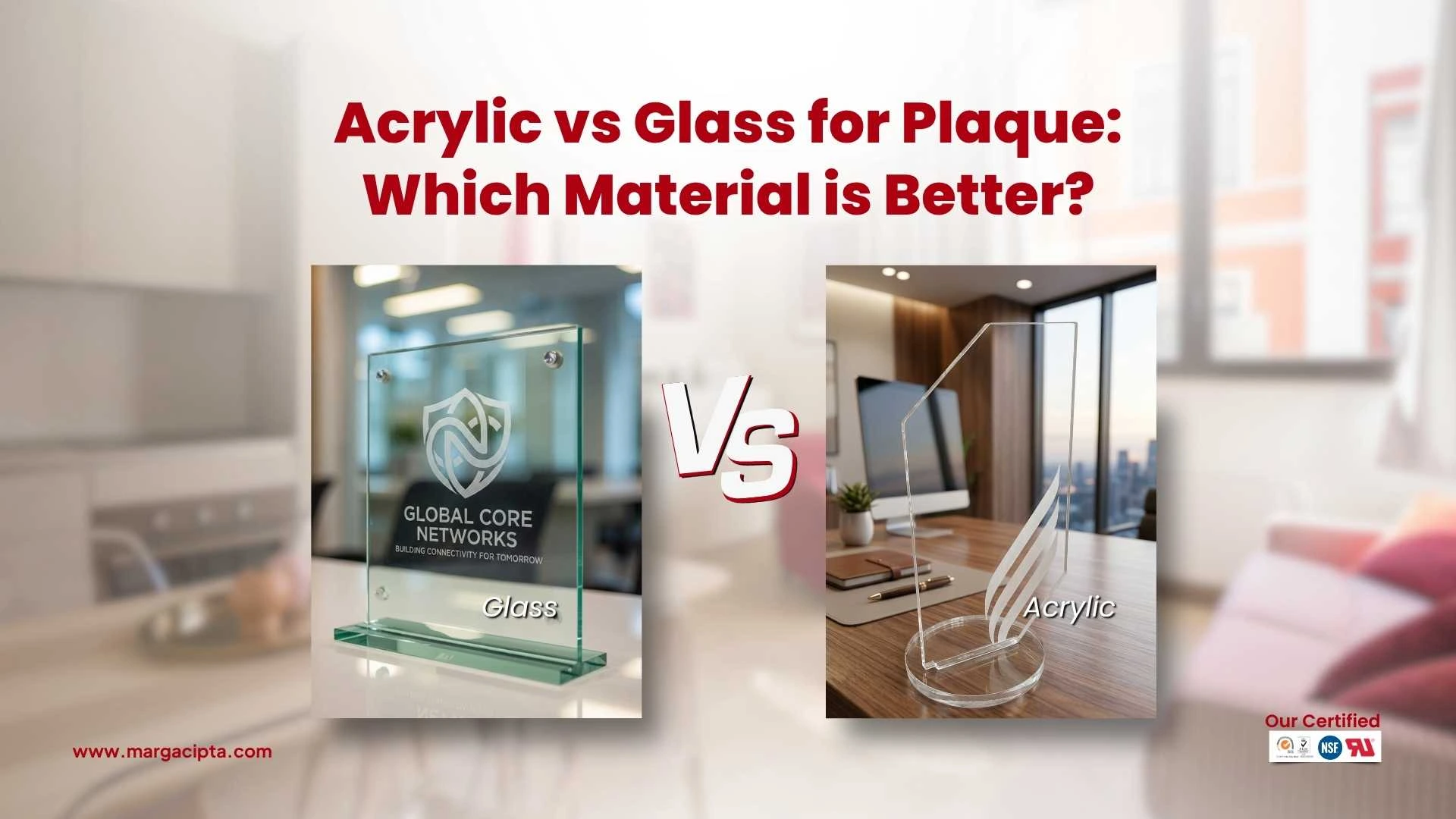
Acrylic vs Glass for Plaque: Which Material is Better?

Acrylic is generally better than glass for plaque applications.

It offers higher impact resistance, lighter weight, and easier fabrication while still maintaining a clear, premium appearance.

For most commercial and design purposes, acrylic provides a more practical and efficient solution.

Quick Comparison: Acrylic vs Glass

Feature

Acrylic

Glass

Impact Resistance

High (does not shatter easily)

Low (breakable)

Weight

Lightweight

Heavy

Clarity

Excellent

Excellent

Fabrication

Easy

Limited

Cost

More efficient

Higher overall cost

Durability and Safety

Acrylic is significantly more impact-resistant than glass. It does not shatter easily, making it safer for use in offices, public spaces, and high-traffic environments.

Glass, while visually appealing, is fragile and prone to breaking. This can lead to safety risks and higher replacement costs.

Read also: How to Choose UV Resistant Acrylic Sheets for Outdoor Applications

Visual Appearance

Both materials offer a clean and transparent look, but acrylic has a more consistent and modern finish.

Acrylic sheets also provide better results for:

  • UV printing
  • Laser engraving
  • Custom designs

Glass may have a slight tint depending on its composition, while acrylic maintains clearer visual consistency.

Weight and Installation

Acrylic is much lighter than glass, making it easier to handle, transport, and install.

This is especially important for:

  • Large plaques
  • Wall-mounted signage
  • Bulk production

Glass requires more careful handling and stronger support systems due to its weight.

Fabrication and Flexibility

Acrylic is highly versatile and compatible with modern production techniques.

It can be:

  • Cut precisely
  • Engraved easily
  • Printed directly

Glass, on the other hand, requires specialized tools and has limited flexibility for customization.

Cost Efficiency

Acrylic is generally more cost-effective than glass when considering:

  • Material cost
  • Fabrication process
  • Transportation and installation

Its durability also reduces the risk of damage, making it a more reliable long-term investment.

Read also: What Acrylic to Use for Cake Topper: A Complete Material Guide

Why Acrylic is the Preferred Material

For most plaque applications, acrylic offers the best balance between:

  • Durability
  • Aesthetics
  • Practicality

This is why many businesses and manufacturers choose acrylic sheets as their primary material.

Marga Cipta provides high-quality acrylic sheets that are suitable for various fabrication methods, helping ensure consistent and professional results.

Conclusion

In the comparison of acrylic vs glass for plaque, acrylic stands out as the better overall material.

It combines strength, clarity, and flexibility, making it ideal for modern plaque production. For businesses looking for efficiency and reliability, acrylic is the smarter choice.

How to Choose UV Resistant Acrylic Sheets for Outdoor Applications

Acrylic sheets are widely used in outdoor environments because they offer excellent clarity, lightweight properties, and strong impact resistance. However, when selecting acrylic for outdoor projects, UV resistance becomes one of the most important factors to consider.

Without proper UV protection, plastic materials can gradually lose transparency, become brittle, or develop surface discoloration after prolonged sun exposure. This is why many architects, designers, and fabricators choose UV resistant acrylic sheets for outdoor applications.

This guide explains how to choose the right acrylic sheets for outdoor environments to ensure durability and long-term performance.

1. Look for Built-In UV Resistance

The most important feature of outdoor acrylic sheets is UV stability.

UV resistant acrylic sheets are specially formulated to withstand long-term exposure to sunlight without significant degradation. This helps prevent common issues such as:

  • Yellowing or discoloration
  • Surface cracking
  • Reduced transparency
  • Material brittleness

High-quality acrylic sheets can maintain their optical clarity and structural strength for many years, even in outdoor conditions.

Read also: Cost Breakdown: How Acrylic Can Help You Save Budget in Long-Term Projects

2. Consider the Application Requirements

Different outdoor applications require different types of acrylic sheets. Before choosing a material, it is important to understand how the acrylic will be used.

Common outdoor applications include:

  • Outdoor signage and advertising panels
  • Architectural panels and skylights
  • Protective barriers
  • Greenhouse panels
  • Display cases and retail signage

For signage and display purposes, high transparency and surface quality are essential. For structural or protective panels, impact resistance and thickness may be more important.

3. Choose the Right Thickness

Acrylic sheets are available in various thickness options, typically ranging from a few millimeters to much thicker panels for industrial use.

For outdoor applications:

  • 3–5 mm sheets are commonly used for signage and display panels
  • 6–10 mm sheets are suitable for structural panels and partitions
  • Thicker sheets may be required for heavy-duty installations

Selecting the correct thickness helps ensure stability, durability, and resistance to environmental stress.

Read also: How to Identify High-Quality Cast Acrylic Sheets | Buyer’s Guide

4. Evaluate Optical Clarity and Surface Quality

One of the biggest advantages of acrylic over other materials is its excellent optical clarity. High-quality acrylic sheets can offer transparency levels of up to 92% light transmission, which is even higher than glass.

For outdoor branding or display applications, consistent surface quality is essential to maintain a clean and professional appearance.

Poor-quality sheets may have issues such as:

  • Uneven surfaces
  • Distortion
  • Lower transparency

These problems can affect both aesthetics and performance.

5. Choose Reliable Acrylic Sheet Manufacturers

The quality of acrylic sheets depends greatly on the manufacturing process and raw materials used. Reliable manufacturers typically provide consistent thickness, strong molecular structure, and better long-term durability.

For projects that require high performance and stability, cast acrylic sheets are often preferred because they offer better strength, chemical resistance, and fabrication quality compared to lower-grade alternatives.

Conclusion

Choosing the right UV resistant acrylic sheet for outdoor use ensures your project remains durable, visually appealing, and functional for years.

When selecting acrylic sheets for outdoor environments, consider the following factors:

  • UV resistance
  • Thickness and strength
  • Optical clarity
  • Application requirements
  • Manufacturer reliability

By selecting high-quality acrylic sheets designed for outdoor performance, you can reduce maintenance costs and improve the lifespan of your project.

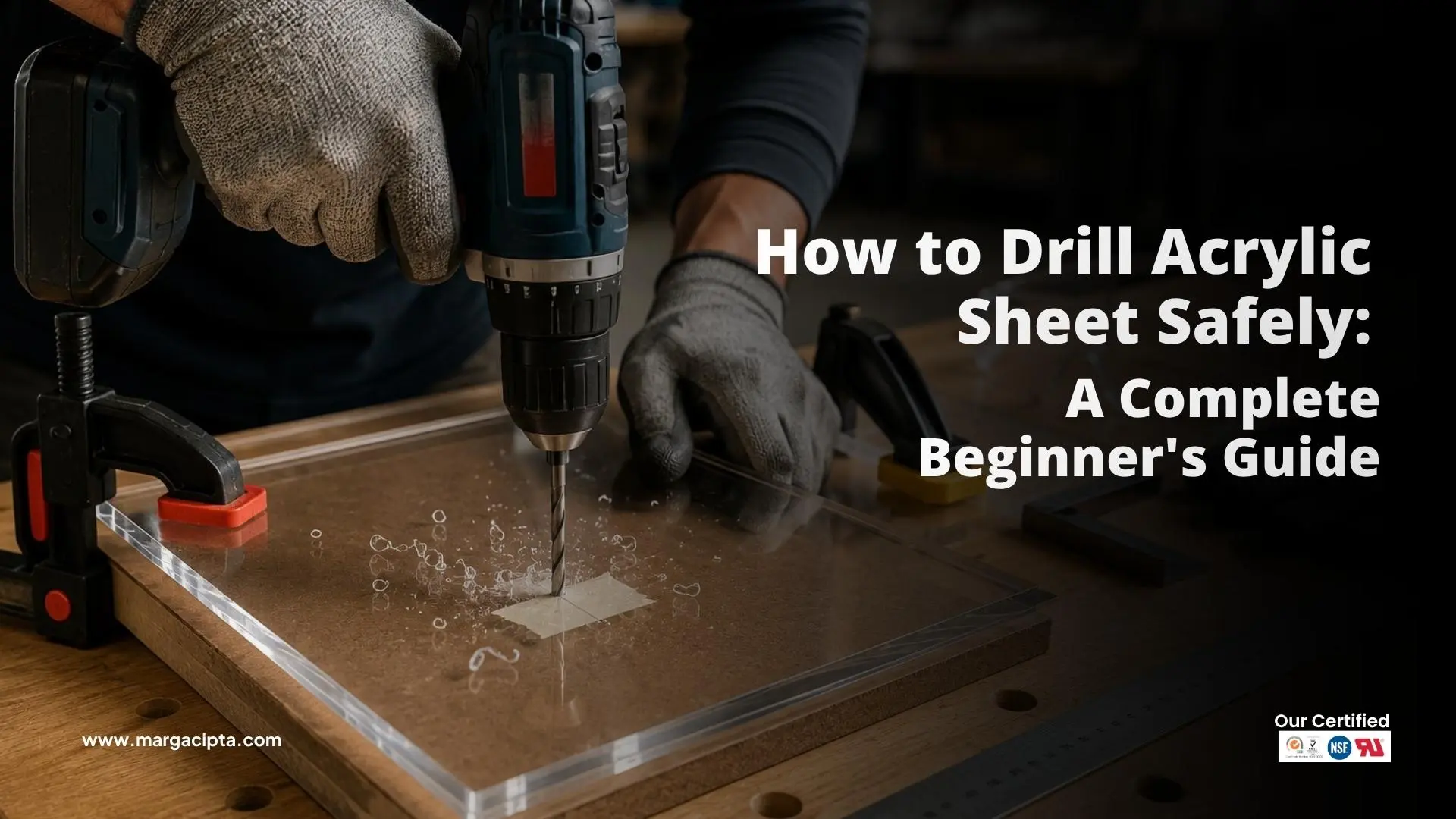
How to Drill Acrylic Sheet Safely: A Complete Beginner's Guide

The safest way to drill acrylic sheet is by using the correct drill bit, applying light pressure, and supporting the material properly to prevent cracking or chipping. 

Whether you're fabricating signage, display stands, furniture, or decorative products, proper drilling techniques help achieve clean, accurate holes while preserving the quality of the acrylic.

Fortunately, drilling acrylic is straightforward when the right tools and methods are used.

Can You Drill Acrylic Sheet?

Yes. Acrylic sheets can be drilled successfully using standard drilling equipment, provided the correct technique is followed.

Unlike glass, acrylic is easier to machine and fabricate. However, improper drilling can create stress that leads to cracks or chipped edges.

Using suitable tools and maintaining proper drilling speed greatly reduces these risks.

Read also: Why Does Acrylic Turn Yellow? Causes and Prevention

Tools You'll Need

Before starting, prepare the following:

  • Power drill or drill press
  • Acrylic-compatible drill bit
  • Clamps
  • Wooden backing board
  • Safety glasses
  • Measuring tools and marker

A stable setup helps improve drilling accuracy and protects the acrylic during the process.

Step 1: Mark the Hole Location

Measure carefully and mark the drilling point.

Using masking tape over the drilling area can help improve visibility and reduce surface chipping.

Step 2: Support the Acrylic

Place the acrylic sheet on a flat wooden backing board.

This supports the material and minimizes vibration while drilling.

Never drill acrylic while it is unsupported.

Step 3: Use the Correct Drill Bit

Using an appropriate drill bit is one of the most important factors in preventing cracks.

Specialized acrylic drill bits or modified plastic drill bits typically produce cleaner holes than standard metal drill bits.

Sharp tools also help reduce stress on the material.

Step 4: Drill Slowly

Apply gentle, consistent pressure while maintaining a moderate drilling speed.

Avoid forcing the drill through the acrylic.

Allow the drill bit to remove material gradually rather than generating excessive heat.

Step 5: Finish Carefully

As the drill bit approaches the exit side of the acrylic, reduce pressure even further.

This helps prevent chipping when the hole is completed.

After drilling, remove any dust and inspect the hole for smoothness.

Common Mistakes to Avoid

Many acrylic drilling problems can be prevented by avoiding these common mistakes:

  • Drilling too quickly
  • Applying excessive pressure
  • Using dull drill bits
  • Skipping the backing board
  • Drilling too close to the sheet edge
  • Using damaged or low-quality acrylic

Careful preparation greatly improves the final result.

Why High-Quality Acrylic Matters

Material quality influences fabrication performance.

Premium cast acrylic sheets generally provide:

  • Consistent thickness
  • Better machining characteristics
  • Cleaner drilling results
  • Reduced risk of cracking
  • Professional-quality finishes

Marga Cipta manufactures premium cast acrylic sheets suitable for drilling, laser cutting, CNC machining, engraving, and custom fabrication.

Read also: Laser Cut Acrylic Sheet: Benefits, Applications, and Design Tips

Conclusion

Learning how to drill acrylic sheet safely helps prevent cracks while producing clean and accurate holes for fabrication projects.

By using the right drill bit, supporting the material properly, and drilling at a controlled speed, both beginners and professionals can achieve reliable, high-quality results.

Fabricate with Confidence Using Marga Cipta Acrylic

Marga Cipta offers premium cast acrylic sheets designed for machining, drilling, laser cutting, engraving, and custom fabrication.

For inquiries or orders, email info@margacipta.com.

For product information, inspiration, and the latest updates, follow Instagram @margacipta.

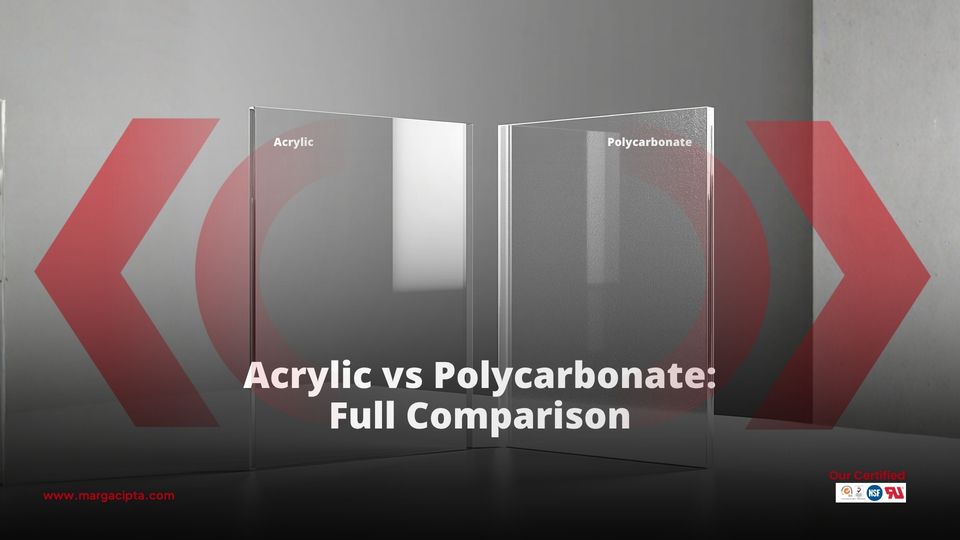
Acrylic vs Polycarbonate: Full Comparison

When choosing the right plastic material for your project, the debate between acrylic vs polycarbonate often comes up. 

Both materials are widely used in industries such as construction, signage, and manufacturing, but they have distinct characteristics that make them suitable for different applications.

Acrylic Versus Polycarbonate

Understanding their differences can help you make a more informed decision based on performance, durability, and cost.

1. Strength and Impact Resistance

One of the key differences between acrylic and polycarbonate lies in their strength, but for most applications, acrylic already offers more than enough durability.

Acrylic is a strong and rigid material, even stronger than glass in many cases, making it highly reliable for everyday use. Its solid structure allows it to maintain shape and stability, which is especially important for applications like displays, signage, partitions, and decorative panels.

While polycarbonate is often highlighted for its extreme impact resistance, this level of durability is typically only necessary for high-stress or industrial applications. For general commercial and design purposes, acrylic provides the ideal balance between strength and functionality.

Read also: How to Identify High-Quality Cast Acrylic Sheets

2. Clarity and Aesthetics

If visual clarity is your top priority, acrylic is the clear winner. Acrylic sheets offer exceptional optical clarity, often compared to glass, with a light transmission rate of up to 92%.

This makes it ideal for applications such as retail displays, aquariums, and architectural elements.

Polycarbonate is slightly less clear and may have a subtle haze. While still transparent, it does not provide the same premium look as acrylic.

3. Scratch Resistance

Acrylic has better natural scratch resistance compared to polycarbonate. This makes it more suitable for applications where surface appearance is important.

Polycarbonate, while stronger, is more prone to scratches and often requires additional coatings to maintain its appearance over time.

4. Weather and UV Resistance

Acrylic performs very well in outdoor environments. It has excellent UV resistance and does not yellow easily, making it a great choice for outdoor signage, skylights, and decorative panels.

Polycarbonate can also be used outdoors but usually requires UV coating to prevent yellowing and degradation over time.

5. Workability and Fabrication

Acrylic is easier to cut, polish, and thermoform. It provides clean edges and a glossy finish, making it a favorite for design-focused applications.

Polycarbonate is more flexible and harder to crack during fabrication, but it can be more challenging to achieve a polished, high-end finish.

Read also: Acrylic for Industrial Use: From Machine Guards to Safety Barriers

6. Cost Consideration

In general, acrylic is more affordable than polycarbonate. If budget is a key factor and extreme impact resistance is not required, acrylic is often the more cost-effective option.

Polycarbonate tends to be more expensive due to its superior strength and durability.

Conclusion

The choice between acrylic vs polycarbonate ultimately depends on your project needs. If you prioritize clarity, aesthetics, and cost-efficiency, acrylic is the better option. However, if impact resistance and durability are critical, polycarbonate is the superior material.

For most commercial and design applications, acrylic offers the best balance between performance and visual appeal.

Ready to explore your clear cast acrylic options? At Margacipta Wirasentosa, we offer high-quality clear cast acrylic sheets from 100% virgin MMA in various thicknesses and custom sizes to fit your needs.

Reach to our Instagram or download our Product Catalog for more information.