Acrylic for Industrial Use: From Machine Guards to Safety Barriers | MC® Cast Acrylic

Informational

In modern industrial environments, safety, efficiency, and durability are top priorities. As factories and facilities continue to upgrade their operations in 2026, the demand for reliable materials has increased, especially for applications requiring strength, visibility, and long-term cost efficiency.

One material that stands out is acrylic for industrial use, offering superior clarity, impressive durability, and adaptability across various sectors.

MC® Cast Acrylic Sheet by Marga Cipta provides industry-grade performance suitable for manufacturing, warehousing, food processing, automotive, and many other industrial applications.

1. Clear Visibility for Machine Guards and Safety Shields

Industrial machines often involve fast-moving parts that require proper guarding without compromising visibility.

Acrylic sheet is widely used for machine guards, equipment shields, and protective covers due to its excellent optical clarity and high impact resistance.

Key advantages include:

  • Crystal-clear visibility for operators
  • Safer monitoring of machine operations
  • Stronger impact resistance than glass
  • Lightweight design that reduces mechanical load

Machine guards made from acrylic help reduce workplace accidents while maintaining efficient workflow.

Read also: Acrylic Application for Accessories: Stylish, Durable, and Versatile

2. Durable and Lightweight Safety Barriers

Many factories and warehouses use safety barriers to separate work zones, protect workers, and guide traffic. Acrylic barriers are an ideal solution because they are:

  • Durable and long-lasting
  • Resistant to cracking
  • Easy to install and relocate
  • Suitable for indoor and semi-outdoor environments

They maintain a professional, clean appearance while providing essential physical protection. From forklift lanes to assembly lines, acrylic safety barriers help create structured and safe workplaces.

3. Enclosures and Covers for Sensitive Equipment

Acrylic for industrial use is also favored for equipment enclosures that need to be both protective and visually accessible. Common applications include:

  • Electrical panel covers
  • Dust protection enclosures
  • Laboratory instrument housing
  • Chemical processing equipment covers

Since acrylic is non-conductive and resistant to corrosion, it is an excellent material for environments requiring stable, protective enclosures.

4. Acrylic in Clean Rooms and Food Processing

Industries such as pharmaceuticals, medical manufacturing, and food processing require materials that support cleanliness and hygiene. Acrylic surfaces are:

  • Easy to clean and sanitize
  • Resistant to chemicals and moisture
  • Non-porous and hygienic

These properties make acrylic suitable for partition walls, inspection windows, and protective shields in controlled environments.

Read also: Acrylic Sheet for Interior Design: Modern Applications for 2026

5. Cost-Efficient Alternative to Glass

Compared to tempered or laminated glass, acrylic offers several economic benefits:

  • Lower weight reduces installation and transportation costs
  • Higher durability decreases replacement frequency
  • Safer breakage characteristics reduce workplace hazards

This makes acrylic a practical long-term investment for industrial facilities aiming to optimize operational costs without sacrificing quality or safety.

Conclusion

From machine guards to safety barriers and equipment enclosures, acrylic for industrial use provides a strong, versatile, and efficient solution for modern industrial environments.

Its clarity, impact resistance, lightweight structure, and cost-efficiency make it one of the most reliable materials for today's facilities.

MC® Cast Acrylic Sheet by Marga Cipta continues to support industries with consistent quality and performance, helping businesses operate safely, efficiently, and sustainably.

Want to order? E-mail us at info@margacipta.com and get more information about our acrylic products.


News Release

What Is Acrylic Made Of? Composition, Properties, and Uses Explained

Acrylic is made from polymethyl methacrylate (PMMA), a transparent thermoplastic created from methyl methacrylate (MMA) monomers. This material is known for its excellent clarity, durability, and versatility, making it one of the most widely used alternatives to glass.

From signage and displays to architectural and industrial applications, acrylic sheets are valued for their combination of strength, aesthetics, and ease of fabrication.

Understanding what acrylic is made of can help businesses, designers, and manufacturers choose the right material for their projects.

Read also: What is Satin Acrylic? A Complete Guide to Its Look and Function

What Is Acrylic?

Acrylic is a synthetic plastic material that belongs to the family of thermoplastics. The most common form of acrylic used in sheets is PMMA, which is produced through a polymerization process.

During manufacturing, small molecules called methyl methacrylate monomers are chemically bonded together to form long polymer chains. The result is a strong, transparent material with excellent optical properties.

Because of its glass-like appearance and practical advantages, acrylic has become a popular material in various industries.

Main Components of Acrylic

The primary ingredient in acrylic is:

Polymethyl Methacrylate (PMMA)

PMMA is a transparent plastic that offers:

  • High optical clarity
  • Good weather resistance
  • Lightweight performance
  • Excellent fabrication flexibility

This composition gives acrylic its distinctive combination of transparency and durability.

Depending on the manufacturing process, additives may also be incorporated to enhance specific properties such as UV resistance, color stability, or surface finish.

Key Properties of Acrylic

One of the reasons acrylic is so widely used is its unique set of material properties.

Excellent Clarity

Acrylic offers outstanding light transmission, allowing it to achieve a clear and bright appearance. This makes it ideal for applications where visibility is important.

Lightweight Structure

Compared to glass, acrylic is significantly lighter, making transportation, installation, and fabrication easier.

Weather Resistance

High-quality acrylic sheets can withstand prolonged exposure to sunlight and outdoor conditions while maintaining their appearance.

Impact Resistance

Although not as impact-resistant as polycarbonate, acrylic is generally stronger and more durable than traditional glass.

Easy Fabrication

Acrylic can be cut, drilled, engraved, thermoformed, and printed, making it suitable for a wide range of custom projects.

Common Types of Acrylic Sheets

Acrylic sheets are available in various forms, including:

  • Clear acrylic sheets
  • Colored acrylic sheets
  • Frosted acrylic sheets
  • Satin acrylic sheets
  • Mirrored acrylic sheets

Each type is designed to meet different aesthetic and functional requirements.

Common Uses of Acrylic

Because of its versatility, acrylic is used in numerous applications.

Popular examples include:

1. Signage and Displays

Acrylic's clarity and printability make it a preferred material for retail and commercial signage.

2. Interior Design

Decorative panels, partitions, and furniture elements often utilize acrylic for its modern appearance.

3. Industrial Applications

Many industries use acrylic for machine guards, protective covers, and fabricated components.

4. Architectural Features

Acrylic is frequently incorporated into building designs, skylights, and decorative structures.

Read also: Is Acrylic Waterproof? Understanding Its Water Resistance

Why Material Quality Matters

Not all acrylic sheets offer the same performance.

High-quality acrylic provides:

  • Better clarity
  • Consistent thickness
  • Improved weather resistance
  • Reliable fabrication results

Marga Cipta supplies premium acrylic sheets suitable for signage, displays, interiors, fabrication, and industrial applications.

Conclusion

So, what is acrylic made of? Acrylic is primarily composed of polymethyl methacrylate (PMMA), a transparent thermoplastic known for its durability, clarity, and versatility.

Its unique composition allows it to be used across a wide range of industries and applications. By choosing high-quality acrylic sheets, businesses and manufacturers can achieve reliable performance and professional results.

Ready to explore our cast acrylic options? At Margacipta Wirasentosa, we offer high-quality clear cast acrylic sheets from 100% virgin MMA in various thicknesses and custom sizes to fit your needs.

Reach out to our Instagram or download our Product Catalog for more information.

How to Choose UV Resistant Acrylic Sheets for Outdoor Applications

Acrylic sheets are widely used in outdoor environments because they offer excellent clarity, lightweight properties, and strong impact resistance. However, when selecting acrylic for outdoor projects, UV resistance becomes one of the most important factors to consider.

Without proper UV protection, plastic materials can gradually lose transparency, become brittle, or develop surface discoloration after prolonged sun exposure. This is why many architects, designers, and fabricators choose UV resistant acrylic sheets for outdoor applications.

This guide explains how to choose the right acrylic sheets for outdoor environments to ensure durability and long-term performance.

1. Look for Built-In UV Resistance

The most important feature of outdoor acrylic sheets is UV stability.

UV resistant acrylic sheets are specially formulated to withstand long-term exposure to sunlight without significant degradation. This helps prevent common issues such as:

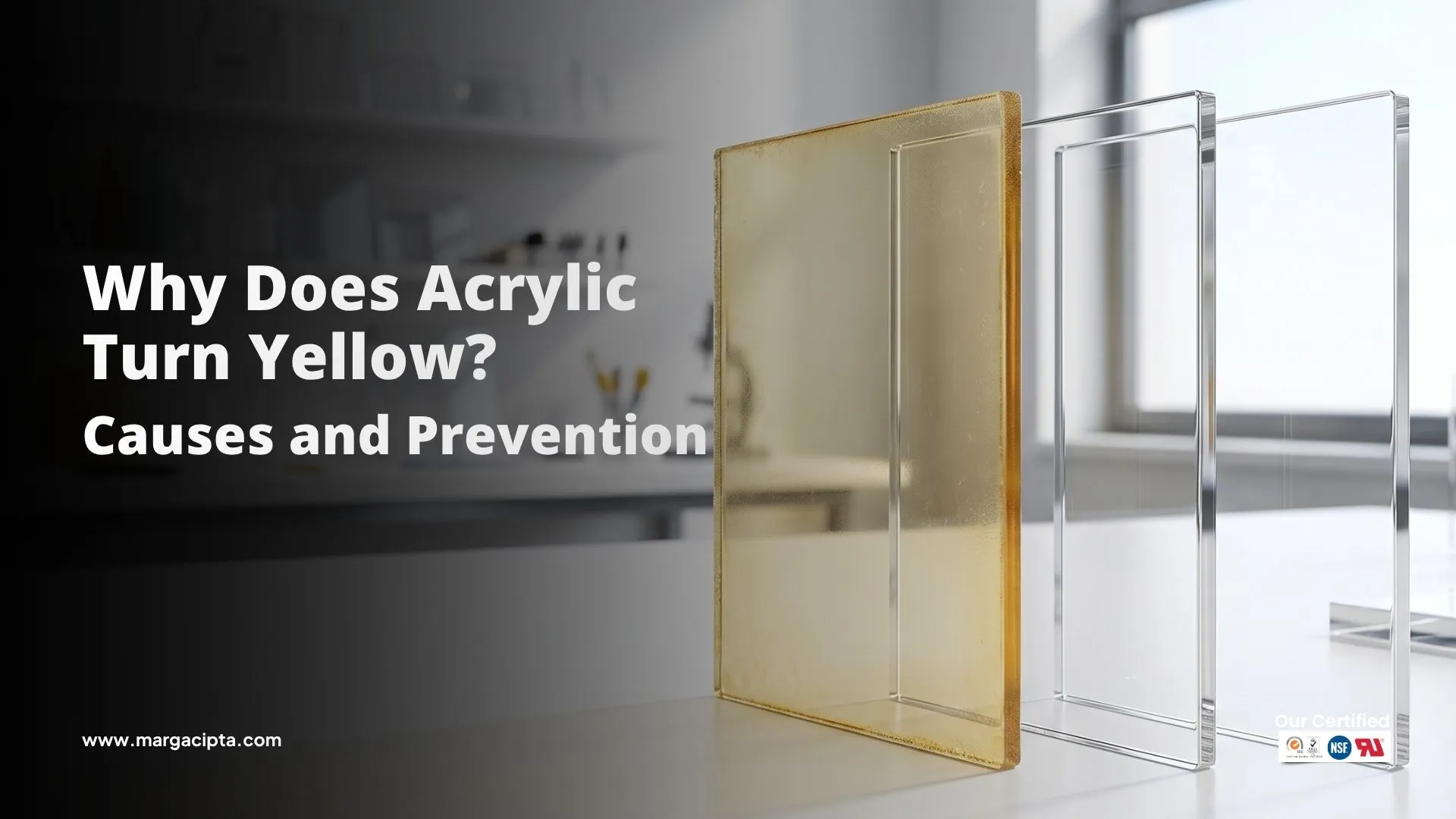
  • Yellowing or discoloration
  • Surface cracking
  • Reduced transparency
  • Material brittleness

High-quality acrylic sheets can maintain their optical clarity and structural strength for many years, even in outdoor conditions.

Read also: Cost Breakdown: How Acrylic Can Help You Save Budget in Long-Term Projects

2. Consider the Application Requirements

Different outdoor applications require different types of acrylic sheets. Before choosing a material, it is important to understand how the acrylic will be used.

Common outdoor applications include:

  • Outdoor signage and advertising panels
  • Architectural panels and skylights
  • Protective barriers
  • Greenhouse panels
  • Display cases and retail signage

For signage and display purposes, high transparency and surface quality are essential. For structural or protective panels, impact resistance and thickness may be more important.

3. Choose the Right Thickness

Acrylic sheets are available in various thickness options, typically ranging from a few millimeters to much thicker panels for industrial use.

For outdoor applications:

  • 3–5 mm sheets are commonly used for signage and display panels
  • 6–10 mm sheets are suitable for structural panels and partitions
  • Thicker sheets may be required for heavy-duty installations

Selecting the correct thickness helps ensure stability, durability, and resistance to environmental stress.

Read also: How to Identify High-Quality Cast Acrylic Sheets | Buyer’s Guide

4. Evaluate Optical Clarity and Surface Quality

One of the biggest advantages of acrylic over other materials is its excellent optical clarity. High-quality acrylic sheets can offer transparency levels of up to 92% light transmission, which is even higher than glass.

For outdoor branding or display applications, consistent surface quality is essential to maintain a clean and professional appearance.

Poor-quality sheets may have issues such as:

  • Uneven surfaces
  • Distortion
  • Lower transparency

These problems can affect both aesthetics and performance.

5. Choose Reliable Acrylic Sheet Manufacturers

The quality of acrylic sheets depends greatly on the manufacturing process and raw materials used. Reliable manufacturers typically provide consistent thickness, strong molecular structure, and better long-term durability.

For projects that require high performance and stability, cast acrylic sheets are often preferred because they offer better strength, chemical resistance, and fabrication quality compared to lower-grade alternatives.

Conclusion

Choosing the right UV resistant acrylic sheet for outdoor use ensures your project remains durable, visually appealing, and functional for years.

When selecting acrylic sheets for outdoor environments, consider the following factors:

  • UV resistance
  • Thickness and strength
  • Optical clarity
  • Application requirements
  • Manufacturer reliability

By selecting high-quality acrylic sheets designed for outdoor performance, you can reduce maintenance costs and improve the lifespan of your project.

How to Bend Acrylic Sheet: Methods, Tools, and Best Practices

Acrylic sheets can be bent by applying controlled heat until the material becomes flexible enough to shape.

This process is widely used in signage, displays, retail fixtures, and custom fabrication projects.

When performed correctly, bending acrylic allows manufacturers and fabricators to create clean, durable, and professional-looking products without compromising the material's appearance.

Why Acrylic Can Be Bent

Acrylic is a thermoplastic material, meaning it softens when heated and hardens again as it cools.

This property makes acrylic ideal for creating:

  • Display stands
  • Sign holders
  • Product showcases
  • Protective covers
  • Custom fabricated components

Proper heating techniques are essential to achieve smooth bends without damaging the material.

Read also: Acrylic vs Glass for Plaque: Which Material is Better?

Common Methods for Bending Acrylic

Several methods are used depending on the project requirements and equipment available.

1. Strip Heater Bending

A strip heater is one of the most common tools used for acrylic fabrication.

The heater applies concentrated heat along a specific line, allowing the sheet to bend precisely where needed.

Benefits include:

  • Clean bending lines
  • Good accuracy
  • Suitable for production environments

2. Heat Gun Bending

A heat gun can also be used for smaller projects or custom work.

Advantages include:

  • Portable equipment
  • Lower cost
  • Flexible application

However, heat distribution may be less consistent compared to a strip heater.

3. Oven Heating

For complex shapes or larger bends, acrylic sheets can be heated in a temperature-controlled oven.

This method allows:

  • Uniform heating
  • Greater forming flexibility
  • More advanced shaping possibilities

It is commonly used in industrial and large-scale fabrication.

Tools Needed for Acrylic Bending

Depending on the method, common tools include:

  • Strip heater
  • Heat gun
  • Industrial oven
  • Clamps
  • Straight edge guides
  • Protective gloves

Using proper equipment improves accuracy and reduces the risk of damage.

Best Practices for Bending Acrylic

Apply Heat Evenly

Uneven heating can lead to stress marks, bubbles, or cracks.

Avoid Overheating

Excessive heat may cause discoloration or surface distortion.

Use Proper Support

Supporting the acrylic during bending helps maintain accurate angles and prevents unwanted deformation.

Allow Sufficient Cooling Time

Acrylic should be allowed to cool completely before handling to maintain its new shape.

Common Mistakes to Avoid

Many fabrication issues result from avoidable mistakes.

These include:

  • Heating too quickly
  • Applying uneven heat
  • Bending cold acrylic
  • Using low-quality materials
  • Removing support too early

Following proper fabrication techniques helps ensure professional results.

Read also: Why Cast Acrylic Is Better Than Glass: Benefits You Should Know

Why Material Quality Matters

High-quality acrylic sheets typically provide:

  • More consistent heating performance
  • Cleaner bending results
  • Reduced risk of cracking
  • Better overall appearance

Material consistency is especially important for projects requiring precise fabrication.

Marga Cipta supplies premium acrylic sheets suitable for cutting, engraving, thermoforming, and bending applications.

Conclusion

Understanding how to bend acrylic sheet properly is essential for achieving clean and professional fabrication results.

By using the right heating methods, tools, and best practices, fabricators can create durable and visually appealing acrylic products for a wide range of applications.

Looking for High-Quality Acrylic Sheets?

Marga Cipta provides premium acrylic sheets designed for fabrication, display, signage, and custom projects.

For inquiries or orders, email info@margacipta.com.

For product information, project inspiration, and the latest updates, follow Instagram @margacipta.

A Step-by-Step Guide on How to Cut Acrylic Sheet Safely

Acrylic sheets are widely used in industries such as signage, display manufacturing, interior design, and fabrication. Because acrylic is lightweight and easy to shape, it can be cut into various sizes and forms for different applications.

However, cutting acrylic incorrectly may lead to cracking, chipping, or rough edges. To achieve clean and professional results, it is important to follow proper cutting techniques.

This step-by-step guide explains how to cut acrylic sheet properly and safely using commonly available tools.

Step 1: Choose the Right Cutting Tool

The cutting method depends on the thickness of the acrylic sheet.

Common tools used to cut acrylic include:

  • Acrylic scoring knife for thin sheets
  • Table saw or circular saw for thicker panels
  • Laser cutting machines for precise fabrication
  • Jigsaw for curved cuts

For thin sheets under 3 mm, a scoring knife is usually sufficient. For thicker acrylic, power tools are recommended.

Read also: Acrylic Sheet for Interior Design: Modern Applications for 2026

Step 2: Mark the Cutting Line

Before cutting, measure the acrylic sheet carefully and mark the cutting line using a ruler and marker.

To improve accuracy:

  • Use a metal ruler or straight edge
  • Double-check measurements
  • Keep the protective film on the acrylic surface to prevent scratches

Precise marking helps ensure a clean and straight cut.

Step 3: Secure the Acrylic Sheet

Place the acrylic sheet on a stable work surface and secure it using clamps if necessary.

This prevents the material from moving during the cutting process and reduces the risk of uneven cuts.

If using power tools, make sure the sheet is supported evenly on both sides.

Step 4: Cut the Acrylic Slowly

When cutting acrylic, slow and steady movement is important.

For scoring knives:

  1. Score the marked line multiple times using firm pressure.
  2. Move the sheet to the edge of a table.
  3. Snap the sheet carefully along the scored line.

For saw cutting:

  • Use fine-tooth blades designed for plastics.
  • Avoid cutting too fast to prevent melting or chipping.

Read also: How to Identify High-Quality Cast Acrylic Sheets | Buyer’s Guide

Step 5: Smooth the Edges

After cutting, the acrylic edge may feel rough or sharp. To achieve a smooth finish:

  • Use fine sandpaper to polish the edge
  • Apply gradual pressure while sanding
  • Clean the surface after finishing

For professional fabrication, polishing techniques such as flame polishing or buffing may also be used.

Safety Tips When Cutting Acrylic

Always prioritize safety when working with acrylic sheets. Important safety precautions include:

  • Wear safety glasses to protect your eyes
  • Use gloves to avoid cuts from sharp edges
  • Ensure proper ventilation when using power tools
  • Keep hands away from the blade during cutting

These steps help reduce the risk of injury and improve cutting accuracy.

Conclusion

Learning how to cut acrylic sheet properly can significantly improve the quality of fabrication projects.

By using the right tools, marking accurately, cutting slowly, and smoothing the edges, you can achieve clean, professional results without damaging the material.

Whether you are working on signage, display stands, or DIY projects, proper cutting techniques will help you maximize the versatility of acrylic sheets.