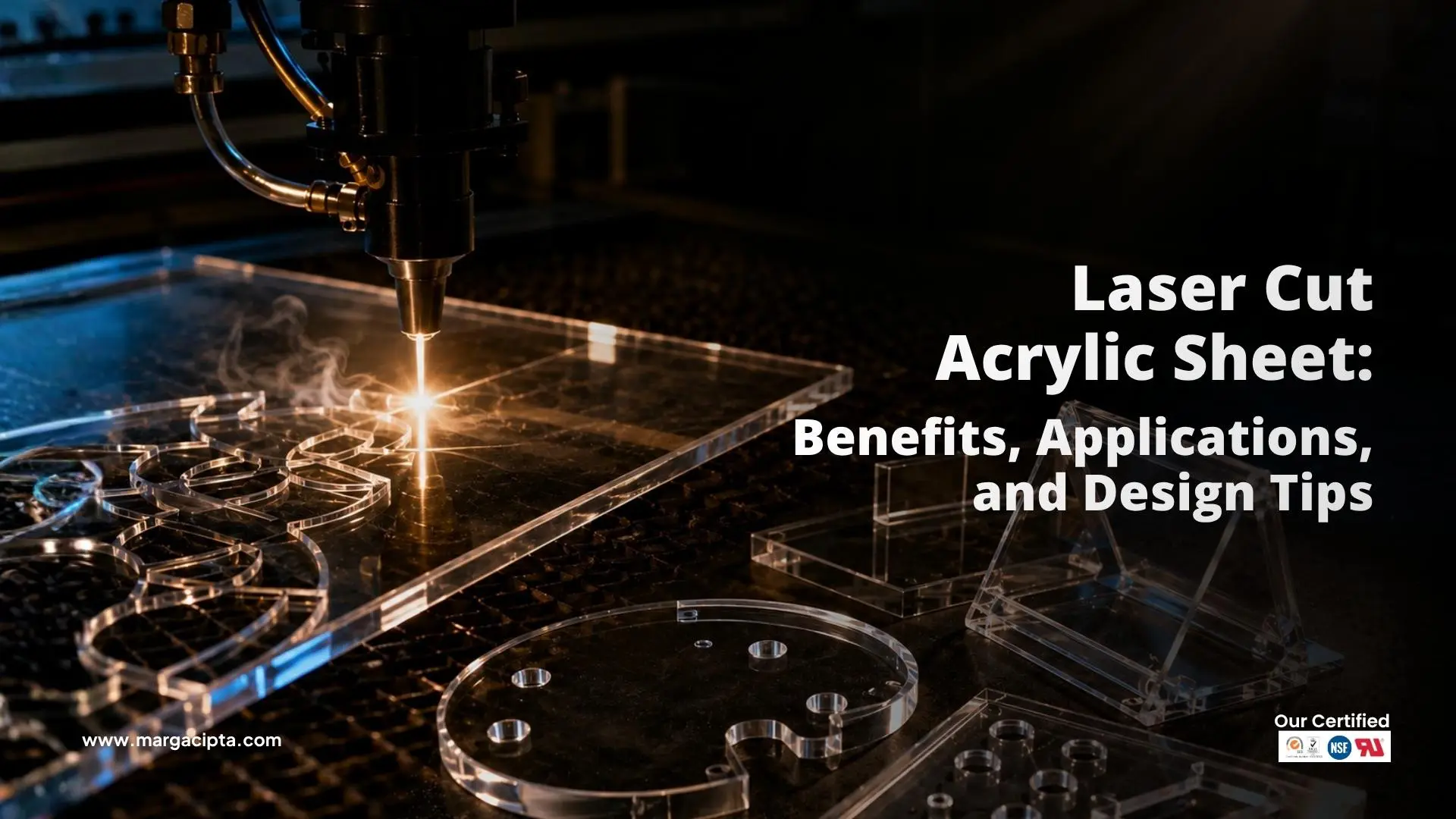
Laser Cut Acrylic Sheet: Benefits, Applications, and Design Tips

Informational

Laser cut acrylic sheet is widely used because it delivers clean edges, precise cuts, and exceptional design flexibility. 

From retail displays and signage to decorative products and industrial components, laser cutting allows acrylic sheets to be fabricated into intricate shapes with high accuracy.

Its precision and efficiency make laser cutting one of the most popular fabrication methods for acrylic.

What Is Laser Cutting?

Laser cutting is a fabrication process that uses a focused laser beam to cut acrylic sheets with exceptional precision.

The concentrated heat melts and vaporizes the material along the cutting path, producing smooth edges that often require minimal finishing.

This method is suitable for both simple shapes and highly detailed designs.

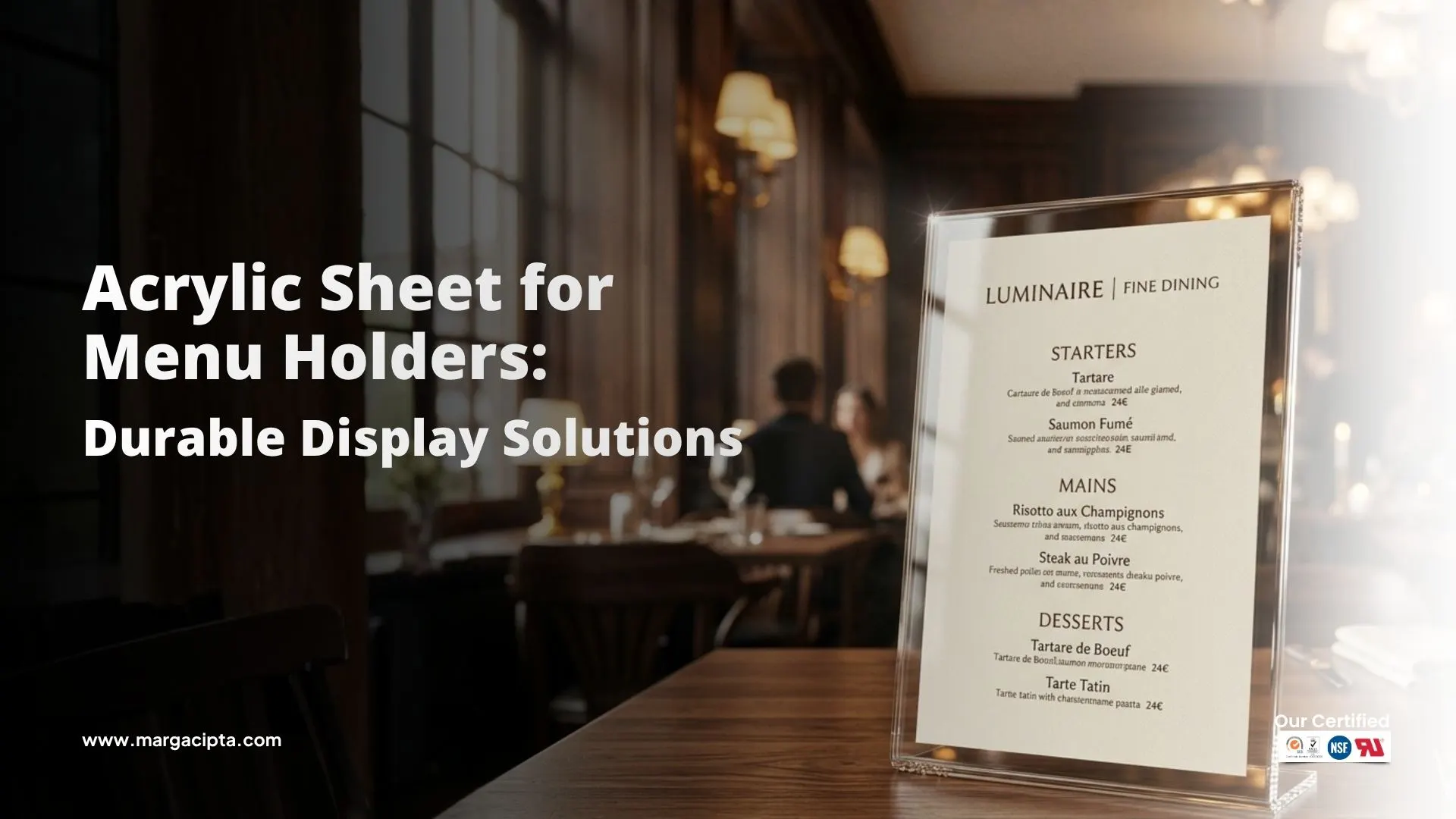
Read also: Acrylic Sheet for Menu Holders: Durable Display Solutions

Benefits of Laser Cut Acrylic Sheet

1. High Precision

Laser cutting can produce complex patterns and intricate details with consistent accuracy.

This makes it ideal for custom products and decorative applications.

2. Smooth, Polished Edges

One of the biggest advantages of laser cutting is the clean edge finish.

High-quality acrylic sheets often produce polished edges directly from the cutting process, reducing the need for additional finishing.

3. Efficient Production

Laser cutting supports both prototype development and large-scale manufacturing.

Its automation capabilities help improve productivity while maintaining consistent quality.

4. Design Flexibility

Laser-cut acrylic can accommodate a wide range of creative and functional designs, from simple geometric shapes to intricate decorative patterns.

Common Applications

Laser-cut acrylic sheets are widely used across various industries. Popular applications include:

1. Signage

Custom business signs, illuminated letters, and branding elements.

2. Retail Displays

Product stands, display cases, shelf organizers, and promotional fixtures.

3. Decorative Products

Wall décor, ornaments, cake toppers, and personalized gifts.

4. Office and Commercial Displays

Directory signs, information boards, and nameplates.

5. Industrial Components

Machine covers, protective panels, and fabricated plastic parts.

Design Tips for Better Results

To maximize laser cutting quality, consider the following:

1. Choose the Right Thickness

Different applications require different acrylic thicknesses to balance durability and precision.

2. Use High-Quality Acrylic

Premium acrylic sheets typically produce cleaner cuts and smoother edges.

3. Optimize Design Files

Vector-based artwork helps ensure accurate cutting and consistent production.

4. Consider Material Finish

Clear, colored, satin, frosted, and mirrored acrylic each create different visual effects in finished products.

Why Material Quality Matters

Laser cutting results depend not only on the machine but also on the quality of the acrylic sheet. High-quality acrylic offers:

  • Better cutting consistency
  • Cleaner polished edges
  • Reduced risk of defects
  • Improved dimensional accuracy
  • More professional final appearance

Marga Cipta supplies premium acrylic sheets suitable for laser cutting, engraving, CNC machining, and other fabrication applications.

Read also: What Acrylic to Use for Cake Topper: A Complete Material Guide

Conclusion

Laser cut acrylic sheet combines precision, efficiency, and design flexibility, making it one of the best fabrication solutions for modern acrylic products.

Whether you're creating signage, retail displays, decorative items, or custom components, using high-quality acrylic sheets helps ensure clean cuts and professional results.

Marga Cipta offers premium acrylic sheets in various thicknesses, colors, and finishes for laser cutting and custom fabrication projects.

For inquiries or orders, email info@margacipta.com.

For product information, inspiration, and the latest updates, follow Instagram @margacipta.

News Release

Why Does Acrylic Become Brittle? Common Mistakes You Should Avoid

Acrylic becomes brittle due to factors such as improper cleaning, excessive heat exposure, UV damage, and poor material handling.

Over time, these conditions can weaken the structure of acrylic sheets, making them more prone to cracking or breaking.

Understanding what causes acrylic to become brittle is important for maintaining its durability and appearance.

What Causes Acrylic to Become Brittle?

Although acrylic is known for its strength and durability, it can lose flexibility if exposed to damaging conditions for extended periods.

Several common factors contribute to brittleness.

Read also: Best Acrylic Thickness for Plaque: Complete Guide for Durable Results

1. Exposure to Harsh Chemicals

One of the biggest causes of brittle acrylic is the use of aggressive cleaning chemicals.

Chemicals such as:

  • Ammonia-based cleaners
  • Alcohol-based liquids
  • Strong solvents

can damage the acrylic surface and weaken its internal structure.

Over time, this may lead to:

  • Surface cracking
  • Cloudiness
  • Reduced flexibility

Using acrylic-safe cleaners is essential for long-term durability.

2. Excessive Heat

High temperatures can affect the stability of acrylic sheets.

Continuous exposure to excessive heat may cause:

  • Warping
  • Surface stress
  • Increased brittleness

Acrylic should be kept away from direct heat sources or environments with extreme temperature fluctuations.

3. UV Exposure Over Time

While many acrylic sheets have good UV resistance, prolonged outdoor exposure can still contribute to material aging.

Without proper UV protection, acrylic may gradually:

  • Become dry and rigid
  • Lose clarity
  • Develop microcracks

Using high-quality UV-resistant acrylic helps minimize this issue.

4. Improper Fabrication

Incorrect fabrication methods can introduce stress into the material.

Examples include:

  • Excessive drilling pressure
  • Poor cutting techniques
  • Uneven bending processes

These internal stresses may not appear immediately but can eventually cause cracks or brittleness.

Using proper fabrication equipment and high-quality acrylic sheets helps reduce the risk.

5. Poor Material Quality

Low-quality acrylic sheets are generally more susceptible to damage and brittleness.

Inferior materials may have:

  • Inconsistent composition
  • Lower impact resistance
  • Poor durability over time

This is why choosing reliable acrylic suppliers is important for long-term performance.

How to Prevent Acrylic from Becoming Brittle

To maintain acrylic durability:

  • Use mild acrylic-safe cleaners
  • Avoid excessive heat exposure
  • Store materials properly
  • Use correct fabrication techniques
  • Choose high-quality acrylic sheets

Proper maintenance significantly extends the lifespan of acrylic applications.

Why Acrylic Quality Matters

Premium acrylic sheets provide:

  • Better structural stability
  • Improved UV resistance
  • More consistent fabrication performance

For businesses and manufacturers, high-quality materials help reduce production defects and improve long-term reliability.

Marga Cipta supplies high-quality acrylic sheets suitable for signage, fabrication, displays, and decorative applications.

Read also: Best Acrylic Thickness for Ornaments: Size Guide for Perfect Results

Conclusion

Understanding what makes acrylic brittle helps prevent unnecessary damage and extends the lifespan of acrylic materials.

Factors such as harsh chemicals, heat exposure, UV damage, and improper fabrication can weaken acrylic over time. By using proper handling methods and high-quality acrylic sheets, you can maintain durability and achieve better long-term performance.

Ready to explore our cast acrylic options? At Margacipta Wirasentosa, we offer high-quality clear cast acrylic sheets from 100% virgin MMA in various thicknesses and custom sizes to fit your needs.

Reach out to our Instagram or download our Product Catalog for more information.

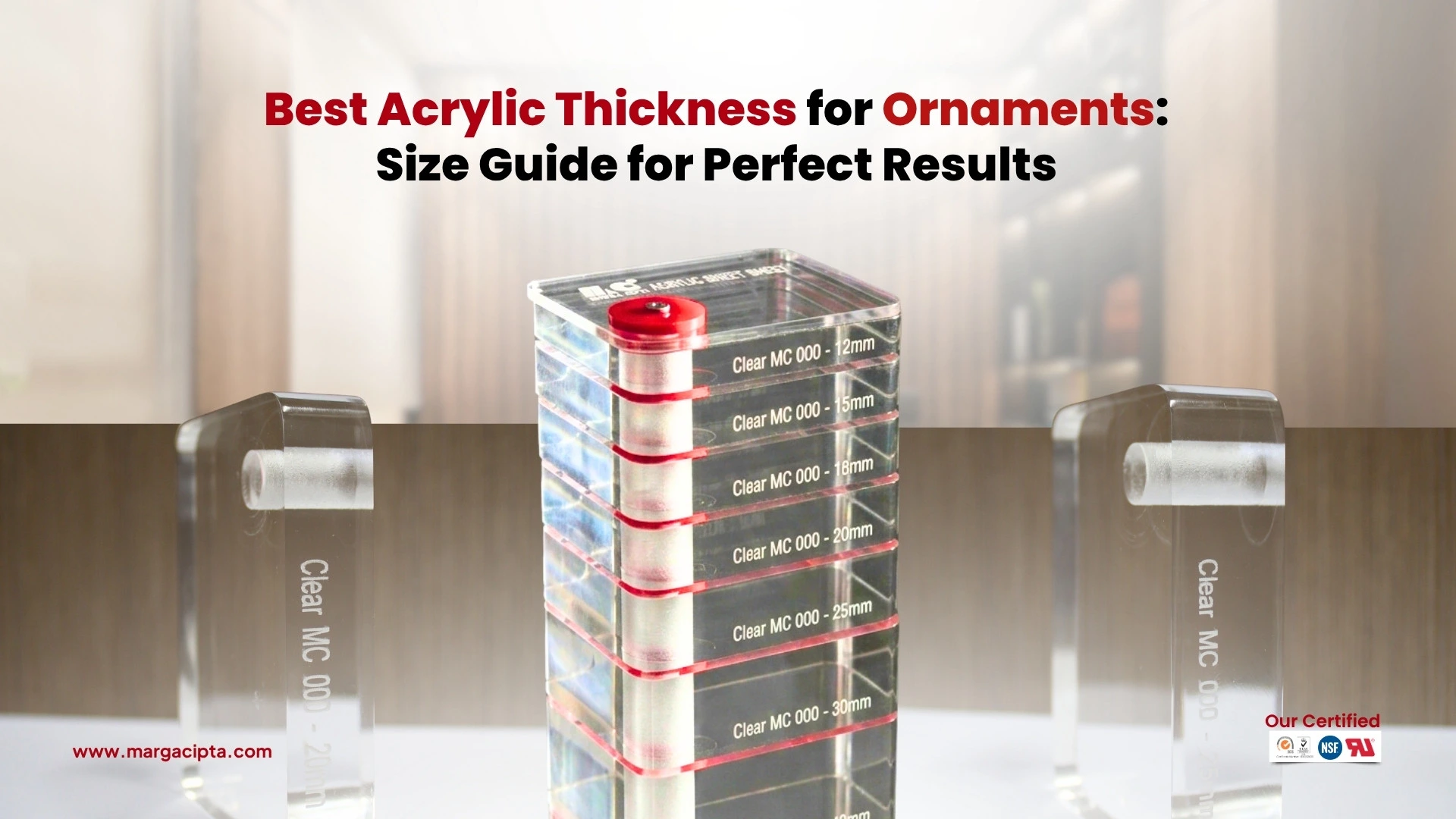
Best Acrylic Thickness for Ornaments: Size Guide for Perfect Results

The best acrylic thickness for ornaments is typically between 2 mm and 3 mm.

This range provides the ideal balance between durability, lightweight structure, and ease of cutting.

Choosing the right thickness is crucial to ensure that ornaments are strong enough to hold their shape while still looking clean and refined.

Why Thickness Matters for Ornaments

Ornaments are often designed to be lightweight and decorative. Using the wrong thickness can affect both appearance and performance:

  • Too thin → may bend or break easily
  • Too thick → looks bulky and harder to cut

The right thickness ensures a professional finish without compromising functionality.

Read also: Colored Acrylic Sheet for Ornaments: Types, Colors, and Applications

Recommended Thickness Based on Use

Here’s a practical guide:

2 mm acrylic sheet

  • Best for small and lightweight ornaments
  • Ideal for hanging decorations and detailed designs

3 mm acrylic sheet

  • Suitable for slightly larger or layered ornaments
  • Provides better rigidity and durability

For most applications, these two thickness options cover the majority of design needs.

Factors to Consider When Choosing Thickness

1. Ornament Size

Larger ornaments require thicker acrylic to maintain shape and prevent bending.

2. Design Complexity

Intricate designs benefit from thinner sheets for easier cutting and finer detail.

3. Usage Type

If the ornament will be handled frequently or used long-term, slightly thicker acrylic offers better durability.

Fabrication Considerations

Acrylic sheets are widely used in fabrication processes such as:

  • Laser cutting
  • Engraving
  • UV printing

Using the correct thickness ensures clean edges, precise cuts, and minimal material waste.

Thinner sheets are easier to cut, while thicker sheets provide a more solid feel.

Why Acrylic is Ideal for Ornaments

Acrylic is a preferred material because it offers:

  • Smooth surface for clean finishing
  • High clarity and color options
  • Lightweight structure
  • Good durability for decorative use

These qualities make it suitable for both handmade and mass-produced ornaments.

Read also: Acrylic vs Glass for Plaque: Which Material is Better?

Importance of Material Quality

Even with the right thickness, material quality plays a key role.

High-quality acrylic sheets provide:

  • Consistent thickness
  • Better cutting performance
  • Reduced risk of cracking

For businesses, this ensures more efficient production and consistent output.

Marga Cipta offers high-quality acrylic sheets suitable for various ornament applications, supporting both small-scale and bulk production needs.

Conclusion

The best acrylic thickness for ornaments is generally between 2 mm and 3 mm, depending on size and design.

By choosing the right thickness and using high-quality acrylic sheets, you can achieve ornaments that are durable, lightweight, and visually appealing.

Ready to explore our cast acrylic options? At Margacipta Wirasentosa, we offer high-quality clear cast acrylic sheets from 100% virgin MMA in various thicknesses and custom sizes to fit your needs.

Reach to our Instagram or download our Product Catalog for more information.

Do’s and Don’ts: Cleaning Acrylic Sheet the Right Way


Unlike glass, acrylic needs special care during cleaning to avoid scratches, clouding, or even cracks. If cleaned improperly, acrylic can lose its aesthetic appeal and optical clarity over time.

To ensure your acrylic sheet stays clean and clear, it's important to follow the right cleaning practices, and avoid the wrong ones.

In this article, find out about do’s and don’ts of cleaning acrylic sheet surfaces, so you can maintain their quality and extend their lifespan.

1. Do Use a Soft, Non-Abrasive Cloth

When cleaning an acrylic surface, always use a soft microfiber or 100% cotton cloth. These materials are gentle and help remove dust and fingerprints without scratching the surface.

Before applying any cleaning solution, it’s a good idea to lightly rinse or blow off loose dust particles to prevent them from causing fine scratches when wiped.

2. Don’t Use Rough Materials or Paper Towels

Many people mistakenly use paper towels, sponges, or regular cleaning rags on acrylic sheets. These materials may seem soft but can actually be abrasive enough to create tiny scratches.

Over time, these scratches accumulate and cause the acrylic to appear dull or hazy. Avoid using any rough fabric or material that could compromise the surface.

Read also: Why Cast Acrylic Is Better Than Glass: Benefits You Should Know

3. Do Use Acrylic-Safe Cleaners

If you’re using a cleaning solution, make sure it’s specifically formulated for acrylic or plastic surfaces. You can also use mild soap mixed with water for everyday cleaning.

Spray the solution onto the cloth rather than directly onto the sheet, then gently wipe in a circular motion to remove dirt and grime. Rinse with clean water afterward and dry with a fresh, soft cloth.

4. Don’t Use Ammonia or Alcohol-Based Products

One of the biggest mistakes in cleaning acrylic is using harsh chemical cleaners like glass cleaner, alcohol, or products containing ammonia.

These substances can cause the surface to crack, discolor, or become cloudy over time. Even though acrylic may look like glass, it’s chemically different and much more sensitive to solvents. Avoid any cleaner not labeled as safe for plastics or acrylic.

5. Do It Carefully with Clean Hands

Before you begin cleaning, make sure your hands are clean to avoid transferring oils and dirt onto the surface. Move your hands gently and avoid applying excessive pressure.

If you’re cleaning a larger sheet or panel, support it evenly to prevent bending or stress that might cause cracks.

Read also: Acrylic Sheet Thickness Guide: How to Choose the Right One

6. Don’t Use Dry Wiping Methods

Never clean an acrylic sheet while it's dry. Dry wiping can drag dust and dirt particles across the surface, increasing the risk of scratching.

Always ensure the surface is wet or at least slightly damp before wiping, as this creates a buffer between the cloth and the acrylic.

7. Do Regular Maintenance

Routine maintenance helps prevent the buildup of dust, oil, and grime that can be harder to remove later. Cleaning your acrylic sheets regularly using the right methods will keep them looking crystal clear and reduce the need for harsh scrubbing or polishing.

Consistency in care goes a long way in preserving the appearance of your acrylic installations.

Cleaning acrylic sheet the right way is essential if you want to maintain its beauty, durability, and clarity.

While acrylic is a strong and versatile material, it still needs gentle handling and the proper techniques to stay in top condition.

Avoid common cleaning mistakes, choose the right materials, and your acrylic sheet will remain as stunning as the day it was installed.

Need high-quality cast acrylic sheet for your next project?

Visit our Instagram for more details about our cast acrylic sheets, or download our Product Catalog here.

Introduction to Margacipta Cast Acrylic Sheet Factory

Introduction to Margacipta Cast Acrylic Sheet Factory

Margacipta is a leading manufacturer of cast acrylic sheets, renowned for its commitment to quality, innovation, and sustainability. With state-of-the-art facilities and a dedicated team of professionals, Margacipta has established itself as a trusted supplier in the industry.

Manufacturing Process at Margacipta

At Margacipta, the manufacturing process begins with the careful selection of raw materials. Only the highest quality methyl methacrylate (MMA) and polymethyl methacrylate (PMMA) pellets are used, ensuring superior performance and durability.

Advantages of Margacipta Cast Acrylic Sheets

Margacipta cast acrylic sheets offer numerous advantages over other materials. Their exceptional clarity, scratch resistance, and UV stability make them ideal for a wide range of applications. Additionally, Margacipta's commitment to environmental consciousness ensures that its products are not only high-quality but also sustainable.

Applications of Margacipta Cast Acrylic Sheets

Margacipta cast acrylic sheets are used in various industries, including architectural glazing, signage and displays, and the automotive industry. Their versatility and aesthetic appeal make them a popular choice for designers and manufacturers seeking reliable and cost-effective solutions.

Challenges Faced by Margacipta

Despite its success, Margacipta faces challenges such as market competition, rapid technological advancements, and fluctuations in raw material sourcing. However, with its dedication to innovation and continuous improvement, Margacipta is well-positioned to overcome these challenges and thrive in the industry.

Future Prospects of Margacipta

The future looks promising for Margacipta, with growing demand for high-quality cast acrylic sheets worldwide. As the industry evolves and new opportunities emerge, Margacipta remains committed to delivering innovative solutions that meet the needs of its customers and contribute to sustainable development.

Conclusion

In conclusion, Margacipta is a leading manufacturer of cast acrylic sheets, known for its commitment to quality, innovation, and sustainability. With its advanced manufacturing processes, superior products, and dedication to environmental consciousness, Margacipta is poised for continued success in the years to come.