Why Cast Acrylic Is Better Than Glass: Benefits You Should Know

Informational

Glass has been the standard material for transparent panels in construction, design, and display. But as technology and material innovation evolve, more industries are turning to cast acrylic as a modern, reliable alternative.

So why exactly is cast acrylic better than glass? Let’s explore the reasons in depth.

1. Superior Impact Resistance

One of the advantages of cast acrylic over glass is its strength. Cast acrylic is far more impact-resistant than glass, making it less likely to shatter or break when subjected to force.

This makes it a safer option for both public and private spaces, especially in high-traffic areas or environments involving children or machinery.

In applications where safety and durability are essential, such as protective barriers, aquariums, or architectural feature, cast acrylic is a clear winner.

2. Lightweight and Easier to Handle

Glass is heavy, fragile, and often requires extra manpower or machinery to transport and install. Meanwhile, cast acrylic is up to 50% lighter than glass of the same thickness.

This makes it much easier to handle during installation, reducing labor costs and minimizing the risk of damage during transport.

For projects that require large panels or elevated installations, the lightweight nature of cast acrylic simplifies the process significantly.

Read also: Cast Acrylic vs Extruded, Which One Is Better?

3. Optical Clarity and Light Transmission

Most people knew that glass gives a perfect clarity, but high-quality cast acrylic actually offers better light transmission compared to standard glass.

It doesn’t contain the greenish tint often found in thicker glass panels, resulting in a more color-neutral, crystal-clear appearance.

This makes cast acrylic ideal for applications where visual appeal is essential, such as display cases, lightboxes, and interior design elements.

4. Design Flexibility and Workability

Glass is rigid and difficult to cut or shape without specialized equipment. Cast acrylic, on the other hand, is highly versatile and can be cut, drilled, engraved, and thermoformed with ease.

Designers and fabricators usually like the acrylic's flexibility for custom projects, including signage with unique shapes, 3D structures, or branded displays that require laser cutting or engraving.

5. Weather Resistance and UV Stability

In outdoor applications, cast acrylic performs better over time than many types of glass. It is resistant to yellowing, cracking, and clouding caused by UV exposure.

This makes it an excellent choice for exterior signage, skylights, and facade panels exposed to sunlight and the elements. With proper maintenance, cast acrylic maintains its appearance and structural integrity for years, even in extreme weather conditions.

Read also: Choose the Right Cast Acrylic Color for Your Project

6. Safety and Shatter-Proof

When glass breaks, it can pose a serious safety hazard due to sharp, scattered shards. Cast acrylic, while durable, doesn’t shatter into dangerous fragments.

Even when broken under intense pressure, it tends to crack into large, dull-edged pieces, reducing the risk of injury. For schools, hospitals, retail environments, or exhibition spaces, this makes cast acrylic a safer and more reliable material choice.

7. Cost-Effectiveness in the Long Run

Although cast acrylic may have a slightly higher upfront cost compared to standard glass, it often proves to be more economical over time.

Its durability means fewer replacements, lower maintenance needs, and reduced breakage during transportation or installation.

For businesses and builders looking for long-term value, cast acrylic offers a better return on investment, especially for demanding environments.

While glass has its place in traditional design and architecture, cast acrylic stands out as the smarter, more versatile alternative. It’s lighter, stronger, safer, and more adaptable, offering unmatched value in both functional and aesthetic applications.

At Margacipta Wirasentosa, we supply premium cast acrylic sheets in a wide range of thicknesses, colors, and finishes to suit your unique project needs.

Ready to upgrade from glass to acrylic?

Visit our Instagram for more details about our cast acrylic sheets.

News Release

Food Grade Acrylic: Safe Choice for Your F&B Business

When it comes to materials used in the food industry, safety and durability are top priorities. One of the most trusted materials is food grade acrylic

This type of acrylic is specially manufactured to meet strict safety standards, making it suitable for direct contact with food and beverages.

What is Food Grade Acrylic?

Food grade acrylic is a high-quality plastic material that has been tested and certified to be safe for use with food. 

Unlike regular acrylic, it does not contain harmful substances that could contaminate food or drinks. It is also resistant to bacteria, easy to clean, and highly durable.

Read also: Benefits of Using Clear Cast Acrylic Sheet

Is Acrylic Safe for Food?

Yes, acrylic is safe for food as long as it is certified as food grade

Regular acrylic may not always meet safety standards, but food grade acrylic has been tested to ensure it does not leach harmful chemicals or contaminants. 

Always look for products with FDA or NSF certification to guarantee safety in food applications.

Benefits of Using Food Grade Acrylic

  1. Safe for Food Contact
    Certified food grade acrylic complies with international safety standards, ensuring it is non-toxic.
  2. Durable and Long-Lasting
    It is highly resistant to impact and does not easily crack, making it ideal for everyday use in the food industry.
  3. Crystal Clear Transparency
    Glass-like clarity, making food grade acrylic gives excellent visibility, perfect for displays, food containers, or protective covers.
  4. Lightweight and Easy to Handle
    Compared to glass, acrylic is much lighter, making it easier to transport, install, and maintain.

Read also: Do’s and Don’ts: Cleaning Acrylic Sheet the Right Way

Applications of Food Grade Acrylic

Food grade acrylic can be found in various food-related industries, including:

  • Food displays and covers in restaurants and bakeries
  • Storage containers for dry goods or liquids
  • Protective shields for hygienic food preparation areas
  • Tableware and serving trays for commercial or household use

Choosing food grade acrylic ensures safety, durability, and hygiene for any food-related application. 

Looking for high-quality food grade acrylic sheets? MC® Cast Acrylic Sheets are NSF-certified for clear and white opal variants, trusted for consistent quality and safe use in food contact applications.

Contact us on info@margacipta.com for more details.

How to Drill Acrylic Sheet Safely: A Complete Beginner's Guide

The safest way to drill acrylic sheet is by using the correct drill bit, applying light pressure, and supporting the material properly to prevent cracking or chipping. 

Whether you're fabricating signage, display stands, furniture, or decorative products, proper drilling techniques help achieve clean, accurate holes while preserving the quality of the acrylic.

Fortunately, drilling acrylic is straightforward when the right tools and methods are used.

Can You Drill Acrylic Sheet?

Yes. Acrylic sheets can be drilled successfully using standard drilling equipment, provided the correct technique is followed.

Unlike glass, acrylic is easier to machine and fabricate. However, improper drilling can create stress that leads to cracks or chipped edges.

Using suitable tools and maintaining proper drilling speed greatly reduces these risks.

Read also: Why Does Acrylic Turn Yellow? Causes and Prevention

Tools You'll Need

Before starting, prepare the following:

  • Power drill or drill press
  • Acrylic-compatible drill bit
  • Clamps
  • Wooden backing board
  • Safety glasses
  • Measuring tools and marker

A stable setup helps improve drilling accuracy and protects the acrylic during the process.

Step 1: Mark the Hole Location

Measure carefully and mark the drilling point.

Using masking tape over the drilling area can help improve visibility and reduce surface chipping.

Step 2: Support the Acrylic

Place the acrylic sheet on a flat wooden backing board.

This supports the material and minimizes vibration while drilling.

Never drill acrylic while it is unsupported.

Step 3: Use the Correct Drill Bit

Using an appropriate drill bit is one of the most important factors in preventing cracks.

Specialized acrylic drill bits or modified plastic drill bits typically produce cleaner holes than standard metal drill bits.

Sharp tools also help reduce stress on the material.

Step 4: Drill Slowly

Apply gentle, consistent pressure while maintaining a moderate drilling speed.

Avoid forcing the drill through the acrylic.

Allow the drill bit to remove material gradually rather than generating excessive heat.

Step 5: Finish Carefully

As the drill bit approaches the exit side of the acrylic, reduce pressure even further.

This helps prevent chipping when the hole is completed.

After drilling, remove any dust and inspect the hole for smoothness.

Common Mistakes to Avoid

Many acrylic drilling problems can be prevented by avoiding these common mistakes:

  • Drilling too quickly
  • Applying excessive pressure
  • Using dull drill bits
  • Skipping the backing board
  • Drilling too close to the sheet edge
  • Using damaged or low-quality acrylic

Careful preparation greatly improves the final result.

Why High-Quality Acrylic Matters

Material quality influences fabrication performance.

Premium cast acrylic sheets generally provide:

  • Consistent thickness
  • Better machining characteristics
  • Cleaner drilling results
  • Reduced risk of cracking
  • Professional-quality finishes

Marga Cipta manufactures premium cast acrylic sheets suitable for drilling, laser cutting, CNC machining, engraving, and custom fabrication.

Read also: Laser Cut Acrylic Sheet: Benefits, Applications, and Design Tips

Conclusion

Learning how to drill acrylic sheet safely helps prevent cracks while producing clean and accurate holes for fabrication projects.

By using the right drill bit, supporting the material properly, and drilling at a controlled speed, both beginners and professionals can achieve reliable, high-quality results.

Fabricate with Confidence Using Marga Cipta Acrylic

Marga Cipta offers premium cast acrylic sheets designed for machining, drilling, laser cutting, engraving, and custom fabrication.

For inquiries or orders, email info@margacipta.com.

For product information, inspiration, and the latest updates, follow Instagram @margacipta.

Is Acrylic Waterproof? Understanding Its Water Resistance

Yes, acrylic is waterproof. Acrylic sheets do not absorb water and can maintain their structural integrity even when exposed to moisture, rain, or humid environments.

This water resistance is one of the reasons acrylic is widely used in applications ranging from signage and displays to aquariums and protective barriers.

However, understanding what "waterproof" means in the context of acrylic can help ensure the material is used appropriately.

What Does Waterproof Mean for Acrylic?

When people ask whether acrylic is waterproof, they typically want to know whether water can damage the material.

Acrylic's non-porous surface prevents water from penetrating the material, which means it does not:

  • Swell
  • Rot
  • Rust
  • Absorb moisture

This makes acrylic a reliable material for environments where water exposure is common.

Read also: Why Does Acrylic Become Brittle? Common Mistakes You Should Avoid

How Does Acrylic Perform in Wet Conditions?

Acrylic performs exceptionally well when exposed to water.

Unlike wood or certain composite materials, acrylic remains stable even after repeated contact with moisture.

It can be used in environments such as:

  • Outdoor installations
  • Bathrooms
  • Aquariums
  • Decorative water features
  • Protective covers

Its resistance to moisture helps preserve both appearance and functionality.

Is Acrylic Suitable for Outdoor Rain Exposure?

Yes. Acrylic is commonly used outdoors because it can withstand rain and humidity without deterioration.

When paired with its natural UV resistance, acrylic becomes an excellent option for:

  • Outdoor signage
  • Display panels
  • Architectural features
  • Protective barriers

High-quality acrylic sheets can maintain their clarity and performance for years in outdoor environments.

Acrylic vs Other Materials in Wet Environments

Compared to many traditional materials, acrylic offers several advantages.

Acrylic vs Wood

Wood can absorb water, expand, and deteriorate over time. Acrylic remains unaffected by moisture.

Acrylic vs Metal

Certain metals can rust when exposed to water. Acrylic does not corrode.

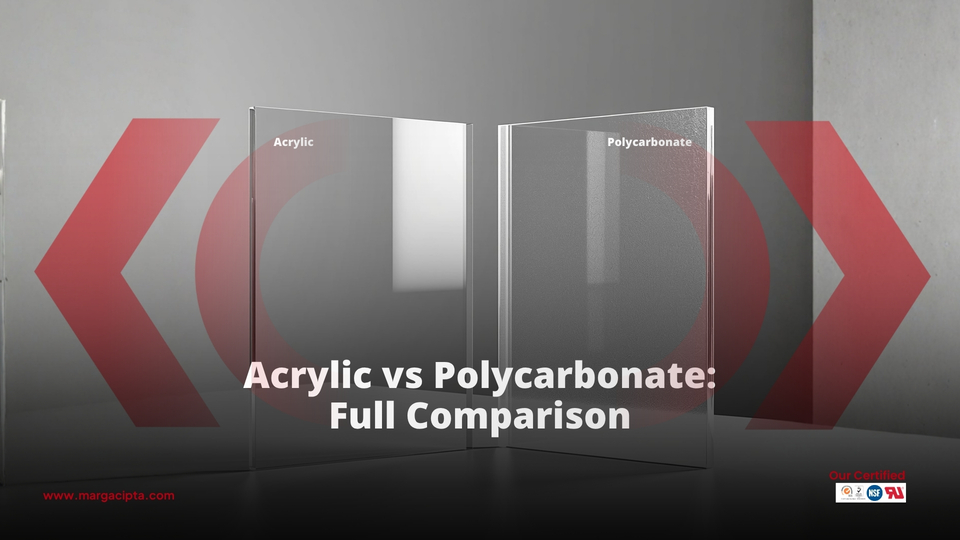
Acrylic vs Glass

Both materials resist water, but acrylic offers the added benefits of lighter weight and greater impact resistance.

Applications That Benefit from Acrylic's Water Resistance

Many industries rely on acrylic because of its ability to perform in wet environments.

Common examples include:

  • Aquariums
  • Splash guards
  • Outdoor signage
  • Retail displays
  • Interior partitions
  • Decorative installations

Its combination of water resistance and visual clarity makes it a versatile material for both functional and decorative uses.

Read also: What is Satin Acrylic? A Complete Guide to Its Look and Function

Does Water Affect Acrylic Over Time?

Water itself generally does not damage acrylic.

However, performance can be affected if acrylic is exposed to:

  • Harsh cleaning chemicals
  • Improper installation
  • Extreme mechanical stress

Using proper maintenance techniques helps preserve the material's appearance and durability.

Why Material Quality Matters

The quality of the acrylic sheet plays a significant role in long-term performance.

Premium acrylic typically offers:

  • Better clarity
  • More consistent thickness
  • Improved weather resistance
  • Enhanced durability

Marga Cipta supplies high-quality acrylic sheets suitable for applications that require durability, transparency, and reliable water resistance.

Conclusion

Is acrylic waterproof? Yes, acrylic is highly water-resistant and does not absorb moisture.

Its waterproof characteristics, combined with excellent clarity and durability, make it a preferred material for both indoor and outdoor applications.

By choosing high-quality acrylic sheets, businesses and fabricators can maximize performance in wet and humid environments.

Ready to explore our cast acrylic options? At Margacipta Wirasentosa, we offer high-quality clear cast acrylic sheets from 100% virgin MMA in various thicknesses and custom sizes to fit your needs.

Reach out to our Instagram or download our Product Catalog for more information.

Cost Breakdown: How Acrylic Can Help You Save Budget in Long-Term Projects

When planning long-term projects, material selection plays a crucial role in determining overall costs. While acrylic sheets may appear more expensive upfront compared to some alternatives, they often deliver significant acrylic cost savings over time.

Understanding the full cost breakdown can help businesses, contractors, and designers make smarter investment decisions.

Initial Material Cost vs Long-Term Value

At first glance, acrylic sheets may have a higher purchase price than basic materials such as glass or plastic composites.

However, acrylic offers superior strength-to-weight ratio and durability. This means fewer replacements, less breakage, and lower repair expenses throughout the project lifecycle.

For long-term installations like interior panels, signage, safety barriers, and industrial components, choosing acrylic reduces the risk of unexpected replacement costs.

Reduced Installation and Labor Costs

One of the key contributors to acrylic cost savings is easier installation. Acrylic sheets are significantly lighter than glass, which reduces transportation expenses and simplifies handling during installation.

Lighter materials require less structural support, allowing contractors to save on framing and reinforcement costs. Faster installation also means reduced labor hours, especially in large-scale commercial and industrial projects.

Read also: How to Identify High-Quality Cast Acrylic Sheets | Buyer’s Guide

Lower Maintenance and Replacement Expenses

Maintenance costs can quickly add up in long-term projects. Acrylic is resistant to moisture, corrosion, and many chemicals, making it suitable for both indoor and outdoor use.

Unlike glass, acrylic is less likely to shatter on impact. This minimizes repair costs and reduces downtime in operational environments such as factories, retail spaces, and public facilities. Over time, these factors contribute to substantial budget efficiency.

Energy Efficiency and Operational Savings

Acrylic sheets offer excellent light transmission, allowing natural light to pass through while maintaining insulation. In architectural applications, this can help reduce reliance on artificial lighting and lower energy consumption.

For projects such as skylights, partitions, and display panels, improved energy efficiency translates into long-term operational savings, supporting both budget and sustainability goals.

Durability and Long Service Life

High-quality acrylic sheets are designed to withstand UV exposure, temperature changes, and daily wear. This durability extends the service life of the material, reducing the frequency of replacement.

In outdoor applications, acrylic maintains clarity and structural integrity longer than many alternative materials. This longevity plays a major role in maximizing return on investment for long-term projects.

Read also: Does Acrylic Shatter? Find Out Its Strength and Durability

Cost Comparison: Acrylic vs Alternative Materials

When comparing acrylic to materials like glass or polycarbonate, it is important to evaluate total ownership cost rather than initial price alone. Acrylic often offers a balanced combination of durability, appearance, and affordability.

While glass may require frequent replacements and higher installation costs, acrylic provides a safer and more economical solution for projects that demand long-term performance.

Conclusion

Acrylic cost savings become clear when evaluating the complete cost breakdown of long-term projects. From reduced installation and maintenance expenses to energy efficiency and durability, acrylic delivers measurable financial benefits over time.

By choosing acrylic sheets for long-term applications, businesses can protect their budgets while achieving reliable performance and lasting value.