Best Way to Glue Acrylic Sheet: Adhesives and Application Tips

Informational

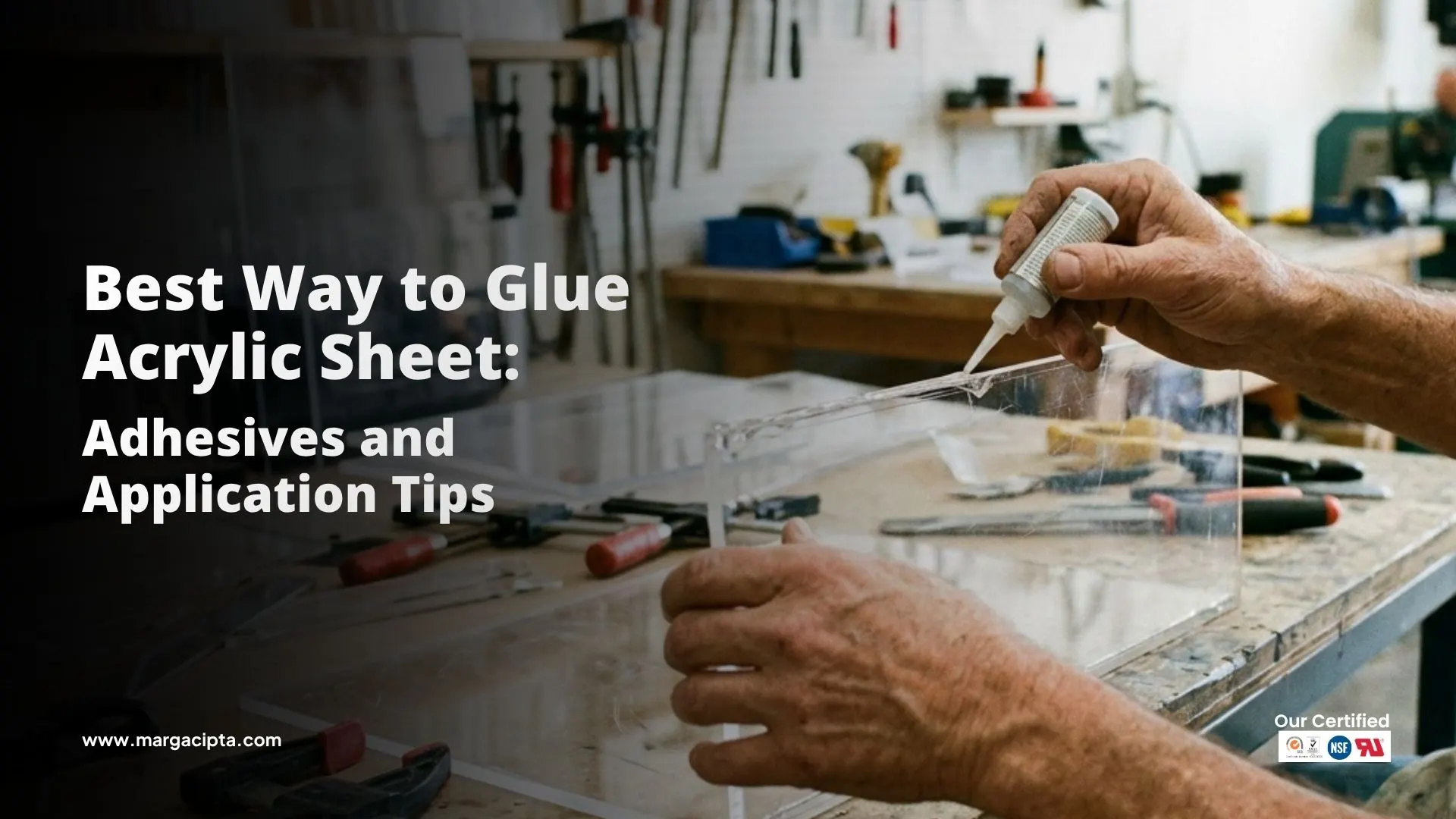
The best way to glue acrylic sheet is by using adhesives specifically formulated for acrylic, combined with proper surface preparation and careful application. 

Choosing the right adhesive and technique helps create strong, nearly invisible joints while minimizing bubbles, gaps, or surface damage.

Whether you're fabricating retail displays, signage, furniture, or custom acrylic products, understanding how to bond acrylic correctly is essential for achieving professional results.

Why Acrylic Requires Special Adhesives

Unlike wood or metal, acrylic cannot be effectively bonded using standard household glues.

Acrylic adhesives work by chemically bonding or welding the material, creating a much stronger connection than ordinary glue.

Using the correct adhesive offers several advantages:

  • Strong and durable joints
  • Clear, clean bonding lines
  • Better resistance to separation
  • Professional appearance

Selecting the wrong adhesive may lead to weak bonds, discoloration, or visible glue marks.

Read also: How to Bend Acrylic Sheet: Methods, Tools, and Best Practices

Common Adhesives for Acrylic Sheets

Several types of adhesives are commonly used depending on the project.

Solvent-Based Acrylic Cement

This is the preferred choice for many acrylic fabrication projects.

It softens the acrylic surfaces, allowing them to fuse together into a strong bond.

Ideal for:

  • Display cases
  • Retail fixtures
  • Signage
  • Clear acrylic assemblies

Two-Part Acrylic Adhesive

Two-part adhesives provide excellent strength and are suitable for larger or structural applications.

They are often used when maximum durability is required.

Specialty Acrylic Adhesives

Some manufacturers offer adhesives formulated specifically for decorative or high-performance acrylic applications.

These products are designed to maintain clarity while providing reliable bonding.

How to Prepare Acrylic Before Gluing

Proper preparation is essential for achieving a clean bond.

Before applying adhesive:

  • Clean the surfaces thoroughly
  • Remove dust and grease
  • Ensure edges fit together accurately
  • Leave protective film in place where possible to prevent scratches

Good preparation reduces the likelihood of visible imperfections after bonding.

Best Practices for Applying Adhesive

To achieve professional results:

Apply Adhesive Sparingly

Using excessive adhesive can create bubbles or overflow marks.

Align the Pieces Carefully

Position the acrylic accurately before the adhesive cures, as adjustments may become difficult afterward.

Use Clamps if Necessary

Gentle clamping helps maintain alignment while the adhesive sets.

Allow Adequate Curing Time

Follow the manufacturer's recommendations before moving or using the finished product.

Common Mistakes to Avoid

Avoid these common errors when gluing acrylic sheets:

  • Using general-purpose household glue
  • Applying too much adhesive
  • Bonding dirty surfaces
  • Forcing pieces together after curing begins
  • Handling the assembly before it has fully cured

Proper technique helps improve both strength and appearance.

Why High-Quality Acrylic Matters

Bonding performance also depends on the quality of the acrylic sheet itself.

Premium acrylic typically offers:

  • Consistent thickness
  • Smooth edges
  • Better machining quality
  • More reliable fabrication performance

Using high-quality acrylic helps achieve cleaner joints and more professional finished products.

Marga Cipta supplies premium acrylic sheets suitable for fabrication, laser cutting, engraving, and custom manufacturing applications.

Read also: Acrylic Cleaner Guide: Safe Liquids to Clean Acrylic Without Damage

Conclusion

Knowing how to glue acrylic sheet properly is essential for creating durable and visually appealing acrylic products.

By choosing the right adhesive, preparing the material correctly, and following proper application techniques, manufacturers and fabricators can achieve strong, long-lasting bonds.

Looking for High-Quality Acrylic Sheets?

Marga Cipta offers premium acrylic sheets in various thicknesses, colors, and finishes for signage, displays, furniture, and fabrication projects.

For inquiries or orders, email info@margacipta.com.

For product information, inspiration, and the latest updates, follow Instagram @margacipta.


News Release

Acrylic for Art and Crafts, Endless Creativity Only for You

In the world of art and design, materials play a huge role in how ideas come to life. One material that continues to gain popularity among artists, hobbyists, and designers is acrylic sheet, especially cast acrylic.

Strong, crystal-clear, and easy to shape, cast acrylic opens up limitless creative possibilities.

Whether it’s for painting, laser engraving, sculpture, or DIY crafts, acrylic has become a go-to choice for many creators looking to blend durability with beauty.

What Makes Cast Acrylic Ideal for Art and Crafts?

Cast acrylic sheets are known for their clarity, strength, and versatility

Compared to extruded acrylic, cast acrylic has a smoother surface, higher optical transparency, and can be cut, engraved, or polished without losing quality.

Here’s why artists and crafters love using cast acrylic:

  • Exceptional Clarity: Delivers glass-like transparency that enhances the look of every design.
  • Lightweight yet Strong: Easier to handle than glass but highly durable against impact.
  • Easy to Cut and Shape: Can be laser cut, drilled, or bent into creative forms.
  • UV Resistant: Maintains color and clarity even under sunlight.
  • Available in Various Colors and Finishes: From transparent to opaque, fluorescent to matte. Perfect for artistic flexibility.

Read also: Acrylic Ideas for Home Decor You'll Love

Popular Art and Craft Applications of Acrylic

1. Laser-Cut Art Pieces

Artists often use acrylic sheets for laser-cut wall art or intricate decorative panels. 

The precision of acrylic cutting allows for detailed, modern designs that are difficult to achieve with other materials.

2. Acrylic Painting Boards

Clear cast acrylic is also used as an alternative painting surface. 

Its smooth, non-porous texture gives artists a unique base for acrylic or oil-based paints, adding a glossy and modern finish to artworks.

3. Resin and Mixed Media Art

Many creators combine acrylic sheets with resin, wood, or metal for mixed-media projects. The transparency of acrylic allows layering and depth that enhances visual effects.

4. DIY Home Décor and Craft Projects

From custom coasters and photo frames to desk nameplates and keychains, acrylic sheets are perfect for DIY enthusiasts. 

They can be engraved, painted, or printed on, offering endless creative potential.

5. Sculptures and Installations

Artists use thicker cast acrylic sheets to craft sculptures that play with light and color. Its glass-like quality adds elegance, while the material’s strength ensures long-lasting displays.

Read also: Acrylic vs Polycarbonate: Which One Should You Use?

Why Choose MC® Cast Acrylic Sheets

PT Margacipta Wirasentosa is one of Indonesia’s leading manufacturers of high-quality cast acrylic sheets, used in various industries including art, architecture, and interior design.

Our acrylic sheets are:

  • Produced with precision to ensure consistent thickness and clarity.
  • Available in a wide range of colors, sizes, and finishes to match any creative vision.
  • Durable and safe, perfect for both professional art installations and hobby crafts.

With Marga Cipta, every sheet is designed to help you express creativity without limits, combining aesthetics with long-lasting performance.

Acrylic isn’t just a functional material, it’s a canvas for creativity. With cast acrylic sheets from Marga Cipta, artists and crafters can explore new forms of expression that combine strength, beauty, and innovation.

Acrylic Sheet for Interior Design: Modern Applications for 2026 | Marga Cipta

As we enter 2026, interior design trends continue to shift toward modern, minimalist concepts that emphasize durability, aesthetics, and efficiency.

One material that stands out in this movement is the acrylic sheet for interior design. With its clarity, versatility, and durability, acrylic has become a preferred choice among interior designers, architects, and business owners.

Marga Cipta, as the producer of MC® Cast Acrylic Sheet, offers high-quality acrylic solutions perfectly suited for residential, retail, hospitality, and large commercial projects.

Find out more about the reason acrylic will be the best solution for interior design and architecture.

1. Exceptional Clarity for Modern and Open Spaces

One of the strongest benefits of acrylic sheet is its exceptional optical clarity, which closely resembles glass but with superior durability and lighter weight.

In 2026, when open-concept spaces and natural lighting continue to dominate, acrylic becomes an ideal material for:

  • Transparent room dividers
  • Decorative wall panels
  • Minimalist shelving
  • Lighting covers and diffusers

These applications help create interiors that feel spacious, modern, and visually clean. Perfect for homes, studios, and showrooms.

Read also: Acrylic Application for Accessories: Stylish, Durable, and Versatile

2. Wide Color and Finishing Options for Creative Accents

Unlike traditional glass, MC® Acrylic Sheet is available in a wide range of colors, transparencies, textures, and finishes. This opens endless design possibilities for aesthetic interior features such as:

  • Colored wall panels
  • Reception backdrops
  • Retail product displays
  • Glossy, modern furniture

Acrylic is also highly workable. It can be heated, molded, and shaped into curves or custom forms, making it ideal for bold statement pieces and artistic installations.

3. High Durability for Commercial Environments

Commercial interiors require materials that are long-lasting, impact-resistant, and easy to maintain. Key durability advantages include:

  • Stronger impact resistance compared to glass
  • Does not shatter into dangerous pieces
  • Resistant to yellowing
  • Smooth surfaces that are easy to clean

These benefits make acrylic suitable for high-traffic environments such as retail stores, hotels, clinics, and public spaces.

Read also: Acrylic Usage Trends 2026: New Applications in Design and Industry

4. Cost-Efficient Option for Premium Aesthetic

Acrylic provides a premium, modern look at a more affordable cost than materials like tempered glass, marble, or metal. Many businesses, especially retail and SMEs, use acrylic sheet for:

  • Signage and brand displays
  • Product showcases
  • POP (Point of Purchase) displays
  • Decorative lighting elements

With its balance of aesthetics and durability, acrylic becomes a long-term investment for enhancing interior visuals.

5. Interior Design Trends Using Acrylic Sheet in 2026

Several acrylic-based design trends are expected to rise in popularity throughout 2026:

  • Modular acrylic furniture that is lightweight yet stylish
  • Acrylic LED panels for futuristic ambient lighting
  • Acrylic kitchen backsplashes that are sleek and easy to clean
  • Sustainable acrylic decor supporting eco-friendly design concepts

These trends reflect the increasing demand for efficient, modern, and sustainable materials.

Conclusion

With its clarity, versatility, and durability, it is no surprise that acrylic sheet for interior design continues to be a leading material in 2026.

MC® Cast Acrylic Sheet offers reliable quality that supports a wide range of interior projects, from homes to commercial buildings.

Whether you are designing a modern living space, a retail environment, or a commercial facility, acrylic sheets provide a stylish and efficient solution for today’s design needs.

Want to order? E-mail us at info@margacipta.com and get more information about our acrylic products.

Acrylic Usage Trends 2026: New Applications in Design and Industry

Acrylic continues to gain momentum as one of the most versatile materials across design, construction, and manufacturing industries. Known for being lightweight, strong, highly transparent, and easy to fabricate, acrylic is increasingly replacing traditional materials such as glass and metal.

As we move into 2026, acrylic is no longer limited to signage or displays. Its applications are expanding rapidly, opening new opportunities for businesses, designers, architects, and manufacturers. Below are the key acrylic usage trends predicted to shape design and industry in 2026.

Trend 1: Acrylic Interior Panels

One of the strongest acrylic usage trends in 2026 is the rise of acrylic interior panels for both commercial and residential buildings.

Why this trend is growing:

The rapid development of offices, retail spaces, hotels, and modern housing has increased demand for materials that are visually appealing, durable, and cost-efficient. Acrylic interior panels offer high clarity and a sleek, minimalistic look, making them ideal for partitions, wall panels, and decorative elements.

Compared to glass, acrylic is more affordable, lighter, and easier to install. Designers and architects also favor acrylic for its flexibility in color, thickness, and finish, allowing them to create modern interior concepts without compromising safety or aesthetics.

Read also: 100% Virgin MMA: The Key to High-Quality Acrylic Sheets

Trend 2: LED Signage and Display Systems

LED signage remains one of the most dominant acrylic applications heading into 2026.

Why this trend continues to rise:

Offline retail transformation is still strong, particularly in developing markets where physical stores continue to evolve. Many small and medium-sized businesses are renovating storefronts and upgrading visual branding, increasing demand for LED signage and display systems.

Acrylic is the preferred material for LED signage due to its excellent light transmission, smooth surface, and ability to diffuse light evenly. From illuminated logos and lightboxes to promotional displays, acrylic helps businesses create brighter, more attractive visual communication.

Trend 3: Acrylic Greenhouse Panels

Sustainability and food security are driving the growth of urban farming, hydroponics, and smart agriculture—making acrylic greenhouse panels a key trend in 2026.

Why this trend is emerging:

Acrylic offers superior UV resistance, high transparency, and better impact strength compared to glass. These properties make it ideal for greenhouse roofs and walls, where consistent light transmission and durability are essential.

As urban farming expands into rooftops, compact land areas, and controlled environments, acrylic greenhouse panels provide a long-lasting, lightweight solution that supports plant growth while reducing maintenance costs.

Read also: Food Grade Acrylic: Safe Choice for Your F&B Business

Trend 4: Furniture, Home Décor, and Small Products

Acrylic furniture and decorative items are gaining popularity, influenced heavily by social media-driven interior trends.

Why this trend is accelerating:

Clean, modern, and minimalist interiors are in high demand, and acrylic fits perfectly into this aesthetic. Furniture such as acrylic chairs, tables, shelves, and decorative panels offers a contemporary look without making spaces feel heavy.

In addition, e-commerce sellers increasingly use acrylic for DIY products and small household items. Consumers prefer materials that are lightweight, modern, durable, and visually appealing—qualities that acrylic delivers consistently.

Acrylic: A Material with Expanding Relevance

The versatility of acrylic makes it increasingly relevant across industries beyond traditional applications. From architecture and retail to agriculture and lifestyle products, acrylic continues to adapt to changing market needs.

To support these growing demands, choosing a high-quality material is essential. MC® Cast Acrylic Sheet is a proven solution, offering consistent clarity, strength, and fabrication performance for both design and industrial applications.

Conclusion

Acrylic usage trends in 2026 highlight a clear shift toward materials that combine aesthetics, durability, and flexibility. Interior panels, LED signage, greenhouse systems, and furniture are just a few examples of how acrylic is shaping the future of design and industry.

By leveraging reliable materials like MC® Cast Acrylic Sheet, businesses can stay ahead of trends and unlock new opportunities in an evolving market.

Best Acrylic Sheet for Cake Topper: Thickness, Finish & Tips

Acrylic has become one of the most popular materials for creating cake toppers, thanks to its clarity, durability, and versatility.

Whether you are a small business owner, crafter, or manufacturer, choosing the right acrylic sheet for cake topper projects is essential to achieve clean, professional results.

Understanding the right thickness, finish, and material characteristics will help you produce high-quality toppers that stand out.

Why Acrylic Sheet is Ideal for Cake Toppers

Acrylic sheets are lightweight yet strong, making them perfect for decorative applications like cake toppers. Compared to other materials, acrylic offers a smooth surface that is easy to cut, engrave, and print on.

It also provides a premium look with glass-like clarity, which enhances the overall aesthetic of the cake design. For businesses, acrylic ensures consistency in production, especially when using laser cutting or CNC machines.

Read also: Acrylic Application for Accessories: Stylish, Durable, and Versatile

1. Choosing the Right Thickness

Thickness plays a crucial role in determining the durability and appearance of your cake topper.

For most applications, acrylic sheets between 2 mm to 3 mm are considered ideal. A 2 mm sheet works well for smaller, lightweight designs, while 3 mm provides additional rigidity for larger or more intricate toppers.

Using acrylic that is too thin may result in bending or breakage, while overly thick sheets can look bulky and harder to cut with precision.

2. Selecting the Right Finish

Acrylic sheets come in a variety of finishes, each offering a different visual effect.

Clear acrylic is the most commonly used option for cake toppers. It delivers a clean and elegant look, especially for weddings and formal events. 

Colored acrylic sheets, such as black, gold, or pastel tones, are also popular for adding contrast and personality.

For a softer appearance, frosted acrylic can be used to create a matte effect. Meanwhile, glossy finishes are ideal when you want a more vibrant and polished result.

3. Fabrication Tips for Best Results

To achieve the best outcome, proper handling and fabrication techniques are essential.

Laser cutting is highly recommended for creating precise shapes and smooth edges. Make sure to use high-quality acrylic sheets to avoid chipping or uneven cuts.

When designing your topper, consider adding a strong base or stem to ensure stability when placed on the cake. It is also important to remove protective film carefully after cutting to maintain a scratch-free surface.

Read also: Acrylic for Art and Crafts, Endless Creativity Only for You

Choosing Quality Acrylic Sheets

Not all acrylic sheets are created equal. High-quality acrylic offers better clarity, consistent thickness, and improved durability.

For businesses or bulk production, sourcing acrylic sheets from a reliable supplier ensures consistent results across every batch. This is especially important for maintaining product quality and customer satisfaction.

Conclusion

Selecting the best acrylic sheet for cake topper projects comes down to choosing the right thickness, finish, and material quality. With the right combination, acrylic provides a perfect balance of strength, aesthetics, and ease of fabrication.

For anyone looking to produce professional-grade cake toppers, investing in high-quality acrylic sheets is a smart and reliable choice.

Looking for high-quality acrylic sheets for your cake topper projects? Marga Cipta provides premium acrylic sheets with consistent thickness, excellent clarity, and ready-to-process surfaces, perfect for laser cutting and custom designs. 

Contact us at info@margacipta.com or our Instagram to order and get the best material for your production needs.