Introducing Our LED VIVID & LED Ready Cast Acrylic Sheet

MC®

September 25, 2018September 26, 2018 mcwsi


PT MARGACIPTA will be launching its new line of MC® LED VIVID AND LED READY CAST ACRYLIC during the “Margarita’s with Margacipta” event at the IAPD Annual Convention in Washington.


MC® LED Ready Cast Acrylic Sheet is formulated to optimize color performance in front of today’s LED systems used in the sign industry; display market. You’ll see excellent brightness and even illumination with NO HOT SPOTS!  


MC® LED Vivid Cast Acrylic Sheet is chemically formulated with light diffusing technologies that enhance maximum brightness and light illuminating uniformity particularly suited to LED edge lighting.


See you on Tuesday at 6p at The Side Car in the Washington Hilton or Contact Us or Your Account Rep for More Details and Pricing.


Cast Acrylic, LED Acrylic, Cast Acrylic, display, LED, lights, plastic, sign


News Release

What Acrylic to Use for Cake Topper: A Complete Material Guide

If you are planning to create cake toppers, one of the most common questions is: what acrylic to use for cake topper projects? Choosing the right type of acrylic is essential to ensure durability, clean cuts, and a professional finish.

With various options available, understanding the basics of acrylic sheets will help you make the right decision for your needs.

Understanding Acrylic Types

There are two main types of acrylic sheets: cast acrylic and extruded acrylic.

Cast acrylic is generally preferred for cake toppers because it offers better optical clarity and superior engraving results. It also responds well to laser cutting, producing smooth and polished edges.

Extruded acrylic, while more affordable, is softer and may not deliver the same level of detail when engraved or cut. However, it can still be used for simpler designs or cost-sensitive projects.

Read also: Best Acrylic Sheet for Cake Topper: Thickness, Finish & Tips

1. Choosing the Right Thickness

Thickness is another important factor when deciding what acrylic to use.

For most cake topper applications, a thickness of 2 mm to 3 mm is recommended. This range provides enough strength to hold its shape while still being easy to cut and handle.

If your design is larger or more complex, opting for 3 mm acrylic can provide additional stability. Thinner sheets may bend, while thicker ones can be harder to work with.

2. Selecting the Right Finish

The finish of the acrylic sheet will influence the final look of your cake topper.

Clear acrylic is the most versatile option, offering a modern and elegant appearance. It is ideal for weddings, corporate events, and minimalist designs.

Colored acrylic sheets are perfect for creating bold and eye-catching toppers. Popular choices include black, white, gold, and pastel shades.

Frosted acrylic is another option for achieving a soft, diffused look, while mirrored acrylic can add a luxurious touch.

3. Compatibility with Fabrication Methods

When deciding what acrylic to use for cake topper production, it is important to consider your fabrication method.

Laser cutting is the most commonly used technique, and high-quality acrylic sheets will ensure precise cuts and smooth edges. Acrylic also works well with UV printing and engraving, allowing for customized designs and branding.

Choosing the right material ensures fewer defects and better overall results during production.

Read also: Acrylic Sheet for Display Stand: Best Thickness and Type to Use

Why Material Quality Matters

Using high-quality acrylic sheets is key to achieving consistent and professional outcomes. Low-quality materials may have uneven thickness, poor clarity, or be prone to cracking during cutting.

For businesses, investing in premium acrylic sheets helps maintain product quality and reduces waste during production.

Working with a trusted supplier ensures that you get reliable materials that meet your production standards.

Conclusion

Understanding what acrylic to use for cake topper projects comes down to selecting the right type, thickness, and finish. Cast acrylic with a thickness of 2 mm to 3 mm is generally the best choice for most applications.

By choosing high-quality acrylic sheets and using proper fabrication techniques, you can create cake toppers that are not only durable but also visually appealing and professional.

Still unsure what acrylic to use for your cake topper? Marga Cipta offers a wide range of high-quality acrylic sheets in various thicknesses and finishes to suit your project requirements.

Contact us at info@margacipta.com or our Instagram to order and get the best material for your production needs. 

Cost Breakdown: How Acrylic Can Help You Save Budget in Long-Term Projects

When planning long-term projects, material selection plays a crucial role in determining overall costs. While acrylic sheets may appear more expensive upfront compared to some alternatives, they often deliver significant acrylic cost savings over time.

Understanding the full cost breakdown can help businesses, contractors, and designers make smarter investment decisions.

Initial Material Cost vs Long-Term Value

At first glance, acrylic sheets may have a higher purchase price than basic materials such as glass or plastic composites.

However, acrylic offers superior strength-to-weight ratio and durability. This means fewer replacements, less breakage, and lower repair expenses throughout the project lifecycle.

For long-term installations like interior panels, signage, safety barriers, and industrial components, choosing acrylic reduces the risk of unexpected replacement costs.

Reduced Installation and Labor Costs

One of the key contributors to acrylic cost savings is easier installation. Acrylic sheets are significantly lighter than glass, which reduces transportation expenses and simplifies handling during installation.

Lighter materials require less structural support, allowing contractors to save on framing and reinforcement costs. Faster installation also means reduced labor hours, especially in large-scale commercial and industrial projects.

Read also: How to Identify High-Quality Cast Acrylic Sheets | Buyer’s Guide

Lower Maintenance and Replacement Expenses

Maintenance costs can quickly add up in long-term projects. Acrylic is resistant to moisture, corrosion, and many chemicals, making it suitable for both indoor and outdoor use.

Unlike glass, acrylic is less likely to shatter on impact. This minimizes repair costs and reduces downtime in operational environments such as factories, retail spaces, and public facilities. Over time, these factors contribute to substantial budget efficiency.

Energy Efficiency and Operational Savings

Acrylic sheets offer excellent light transmission, allowing natural light to pass through while maintaining insulation. In architectural applications, this can help reduce reliance on artificial lighting and lower energy consumption.

For projects such as skylights, partitions, and display panels, improved energy efficiency translates into long-term operational savings, supporting both budget and sustainability goals.

Durability and Long Service Life

High-quality acrylic sheets are designed to withstand UV exposure, temperature changes, and daily wear. This durability extends the service life of the material, reducing the frequency of replacement.

In outdoor applications, acrylic maintains clarity and structural integrity longer than many alternative materials. This longevity plays a major role in maximizing return on investment for long-term projects.

Read also: Does Acrylic Shatter? Find Out Its Strength and Durability

Cost Comparison: Acrylic vs Alternative Materials

When comparing acrylic to materials like glass or polycarbonate, it is important to evaluate total ownership cost rather than initial price alone. Acrylic often offers a balanced combination of durability, appearance, and affordability.

While glass may require frequent replacements and higher installation costs, acrylic provides a safer and more economical solution for projects that demand long-term performance.

Conclusion

Acrylic cost savings become clear when evaluating the complete cost breakdown of long-term projects. From reduced installation and maintenance expenses to energy efficiency and durability, acrylic delivers measurable financial benefits over time.

By choosing acrylic sheets for long-term applications, businesses can protect their budgets while achieving reliable performance and lasting value.

Best Acrylic Thickness for Ornaments: Size Guide for Perfect Results

The best acrylic thickness for ornaments is typically between 2 mm and 3 mm.

This range provides the ideal balance between durability, lightweight structure, and ease of cutting.

Choosing the right thickness is crucial to ensure that ornaments are strong enough to hold their shape while still looking clean and refined.

Why Thickness Matters for Ornaments

Ornaments are often designed to be lightweight and decorative. Using the wrong thickness can affect both appearance and performance:

  • Too thin → may bend or break easily
  • Too thick → looks bulky and harder to cut

The right thickness ensures a professional finish without compromising functionality.

Read also: Colored Acrylic Sheet for Ornaments: Types, Colors, and Applications

Recommended Thickness Based on Use

Here’s a practical guide:

2 mm acrylic sheet

  • Best for small and lightweight ornaments
  • Ideal for hanging decorations and detailed designs

3 mm acrylic sheet

  • Suitable for slightly larger or layered ornaments
  • Provides better rigidity and durability

For most applications, these two thickness options cover the majority of design needs.

Factors to Consider When Choosing Thickness

1. Ornament Size

Larger ornaments require thicker acrylic to maintain shape and prevent bending.

2. Design Complexity

Intricate designs benefit from thinner sheets for easier cutting and finer detail.

3. Usage Type

If the ornament will be handled frequently or used long-term, slightly thicker acrylic offers better durability.

Fabrication Considerations

Acrylic sheets are widely used in fabrication processes such as:

  • Laser cutting
  • Engraving
  • UV printing

Using the correct thickness ensures clean edges, precise cuts, and minimal material waste.

Thinner sheets are easier to cut, while thicker sheets provide a more solid feel.

Why Acrylic is Ideal for Ornaments

Acrylic is a preferred material because it offers:

  • Smooth surface for clean finishing
  • High clarity and color options
  • Lightweight structure
  • Good durability for decorative use

These qualities make it suitable for both handmade and mass-produced ornaments.

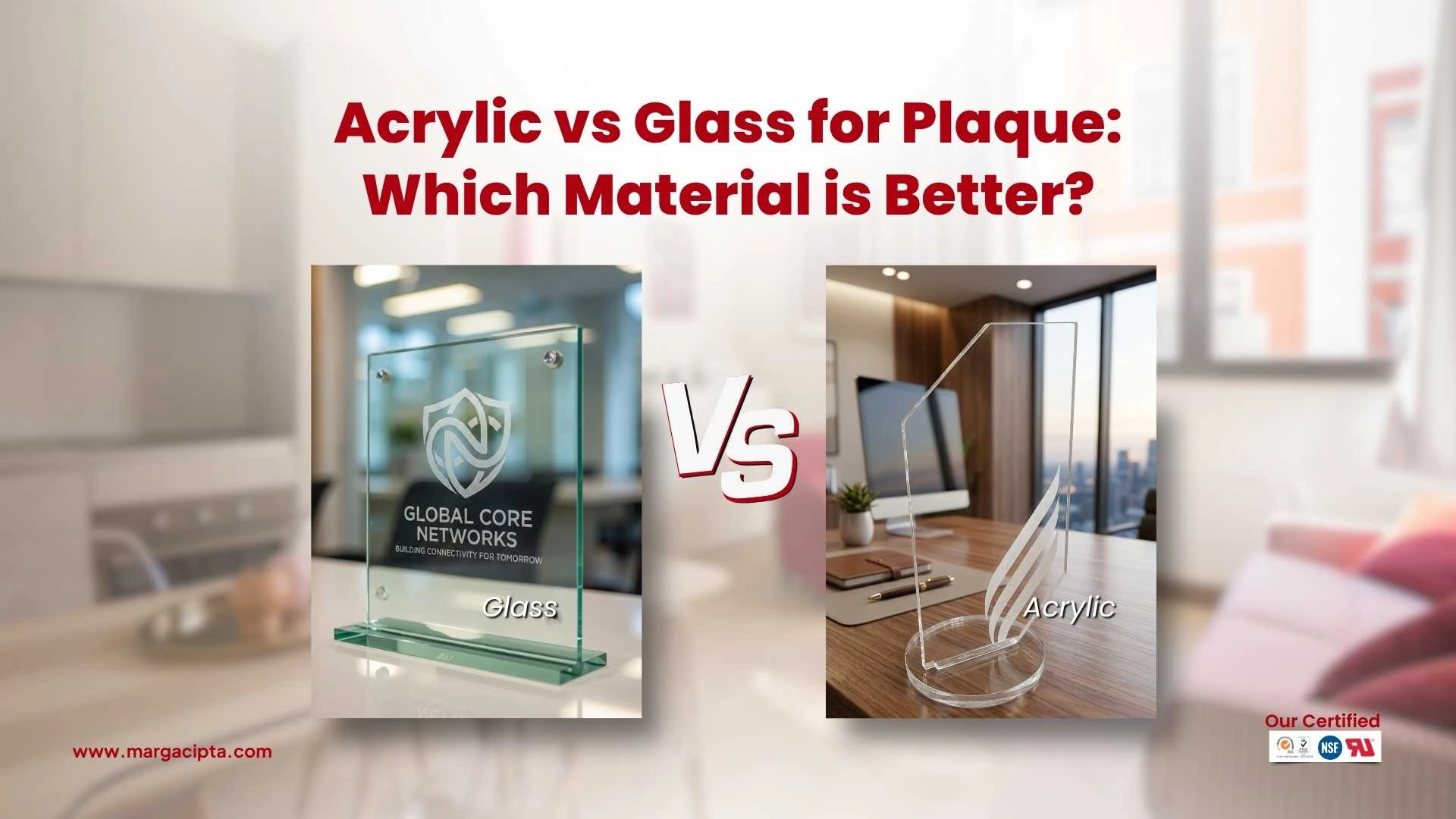
Read also: Acrylic vs Glass for Plaque: Which Material is Better?

Importance of Material Quality

Even with the right thickness, material quality plays a key role.

High-quality acrylic sheets provide:

  • Consistent thickness
  • Better cutting performance
  • Reduced risk of cracking

For businesses, this ensures more efficient production and consistent output.

Marga Cipta offers high-quality acrylic sheets suitable for various ornament applications, supporting both small-scale and bulk production needs.

Conclusion

The best acrylic thickness for ornaments is generally between 2 mm and 3 mm, depending on size and design.

By choosing the right thickness and using high-quality acrylic sheets, you can achieve ornaments that are durable, lightweight, and visually appealing.

Ready to explore our cast acrylic options? At Margacipta Wirasentosa, we offer high-quality clear cast acrylic sheets from 100% virgin MMA in various thicknesses and custom sizes to fit your needs.

Reach to our Instagram or download our Product Catalog for more information.

Acrylic Cleaner Guide: Safe Liquids to Clean Acrylic Without Damage

The best acrylic cleaner is a mild, non-abrasive liquid that cleans the surface without causing scratches, cloudiness, or chemical damage.

Using the wrong cleaner can permanently affect the appearance of acrylic sheets, especially clear acrylic surfaces.

To maintain clarity and durability, it is important to use safe cleaning solutions specifically suited for acrylic materials.

Why Acrylic Requires Special Cleaning

Acrylic sheets are durable and visually appealing, but their surface is more sensitive than glass. Using harsh chemicals or rough cleaning tools may cause:

  • Fine scratches
  • Cloudy appearance
  • Surface damage
  • Reduced clarity over time

Proper cleaning helps preserve the smooth finish and extends the lifespan of the material.

Read also: Why Cast Acrylic Is Better Than Glass: Benefits You Should Know

Best Liquids to Clean Acrylic

1. Mild Soap and Water

A mixture of mild liquid soap and clean water is one of the safest options for acrylic cleaning.

Benefits:

  • Gentle on the surface
  • Easy to use
  • Suitable for regular maintenance

Use a soft microfiber cloth to wipe the acrylic gently.

2. Specialized Acrylic Cleaner

Acrylic-specific cleaners are designed to remove dust, fingerprints, and dirt without damaging the material.

These cleaners help:

  • Reduce static buildup
  • Maintain clarity
  • Minimize streaks

They are recommended for displays, signage, and premium acrylic applications

3. Distilled Water

For light dust and minor cleaning, distilled water can be used safely. It helps prevent mineral spots and streaks that may occur with regular tap water.

Cleaning Tools to Use

When cleaning acrylic, always use:

  • Soft microfiber cloths
  • Non-abrasive wipes
  • Gentle wiping motions

Avoid:

  • Paper towels
  • Rough fabrics
  • Scrubbing pads

These materials can create fine scratches on the surface.

Liquids to Avoid

Certain chemicals should never be used on acrylic sheets.

Avoid:

  • Ammonia-based cleaners
  • Alcohol-based liquids
  • Glass cleaners
  • Strong solvents

These substances can cause acrylic to become cloudy, brittle, or cracked over time.

Proper Cleaning Technique

For best results:

  1. Remove loose dust first
  2. Apply cleaner gently
  3. Wipe in straight motions
  4. Dry using a clean microfiber cloth

Avoid circular scrubbing, as it may create visible swirl marks.

Read also: What Is Cast Acrylic Used For? A Closer Look

Why Acrylic Quality Also Matters

High-quality acrylic sheets generally offer:

  • Better surface consistency
  • Improved resistance to minor scratches
  • Longer-lasting clarity

Using premium acrylic materials helps maintain appearance even with frequent cleaning.

Marga Cipta supplies high-quality acrylic sheets suitable for displays, signage, fabrication, and decorative applications.

Conclusion

Choosing the right acrylic cleaner is essential to maintaining the clarity and durability of acrylic sheets.

Safe cleaning liquids such as mild soap solutions and specialized acrylic cleaners help prevent scratches and damage. Combined with proper cleaning techniques and high-quality materials, acrylic surfaces can remain clear and visually appealing for a long time.

Ready to explore our cast acrylic options? At Margacipta Wirasentosa, we offer high-quality clear cast acrylic sheets from 100% virgin MMA in various thicknesses and custom sizes to fit your needs.

Reach out to our Instagram or download our Product Catalog for more information.