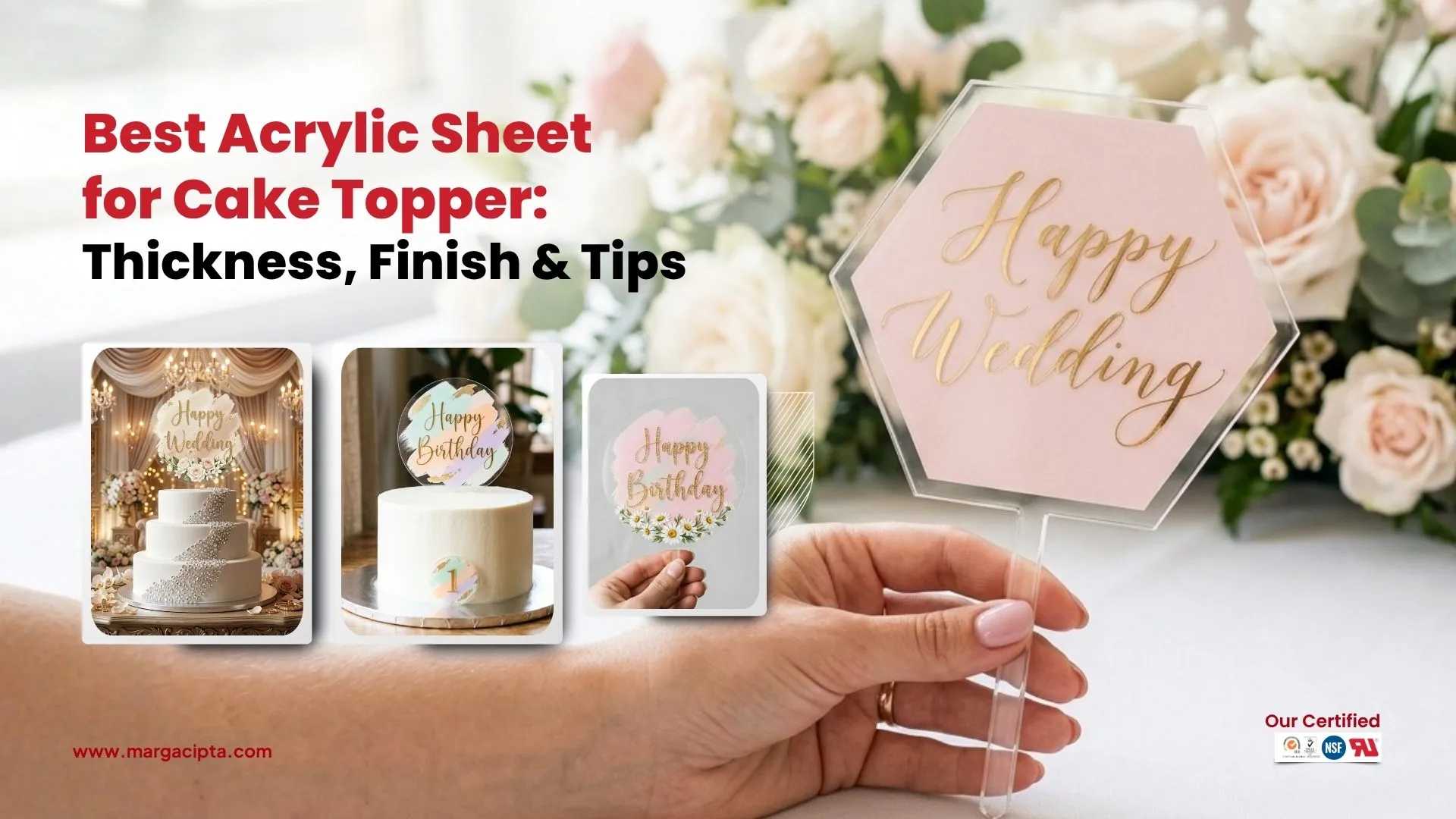
Best Acrylic Sheet for Cake Topper: Thickness, Finish & Tips

Informational

Acrylic has become one of the most popular materials for creating cake toppers, thanks to its clarity, durability, and versatility.

Whether you are a small business owner, crafter, or manufacturer, choosing the right acrylic sheet for cake topper projects is essential to achieve clean, professional results.

Understanding the right thickness, finish, and material characteristics will help you produce high-quality toppers that stand out.

Why Acrylic Sheet is Ideal for Cake Toppers

Acrylic sheets are lightweight yet strong, making them perfect for decorative applications like cake toppers. Compared to other materials, acrylic offers a smooth surface that is easy to cut, engrave, and print on.

It also provides a premium look with glass-like clarity, which enhances the overall aesthetic of the cake design. For businesses, acrylic ensures consistency in production, especially when using laser cutting or CNC machines.

Read also: Acrylic Application for Accessories: Stylish, Durable, and Versatile

1. Choosing the Right Thickness

Thickness plays a crucial role in determining the durability and appearance of your cake topper.

For most applications, acrylic sheets between 2 mm to 3 mm are considered ideal. A 2 mm sheet works well for smaller, lightweight designs, while 3 mm provides additional rigidity for larger or more intricate toppers.

Using acrylic that is too thin may result in bending or breakage, while overly thick sheets can look bulky and harder to cut with precision.

2. Selecting the Right Finish

Acrylic sheets come in a variety of finishes, each offering a different visual effect.

Clear acrylic is the most commonly used option for cake toppers. It delivers a clean and elegant look, especially for weddings and formal events. 

Colored acrylic sheets, such as black, gold, or pastel tones, are also popular for adding contrast and personality.

For a softer appearance, frosted acrylic can be used to create a matte effect. Meanwhile, glossy finishes are ideal when you want a more vibrant and polished result.

3. Fabrication Tips for Best Results

To achieve the best outcome, proper handling and fabrication techniques are essential.

Laser cutting is highly recommended for creating precise shapes and smooth edges. Make sure to use high-quality acrylic sheets to avoid chipping or uneven cuts.

When designing your topper, consider adding a strong base or stem to ensure stability when placed on the cake. It is also important to remove protective film carefully after cutting to maintain a scratch-free surface.

Read also: Acrylic for Art and Crafts, Endless Creativity Only for You

Choosing Quality Acrylic Sheets

Not all acrylic sheets are created equal. High-quality acrylic offers better clarity, consistent thickness, and improved durability.

For businesses or bulk production, sourcing acrylic sheets from a reliable supplier ensures consistent results across every batch. This is especially important for maintaining product quality and customer satisfaction.

Conclusion

Selecting the best acrylic sheet for cake topper projects comes down to choosing the right thickness, finish, and material quality. With the right combination, acrylic provides a perfect balance of strength, aesthetics, and ease of fabrication.

For anyone looking to produce professional-grade cake toppers, investing in high-quality acrylic sheets is a smart and reliable choice.

Looking for high-quality acrylic sheets for your cake topper projects? Marga Cipta provides premium acrylic sheets with consistent thickness, excellent clarity, and ready-to-process surfaces, perfect for laser cutting and custom designs. 

Contact us at info@margacipta.com or our Instagram to order and get the best material for your production needs. 

News Release

Acrylic for Industrial Use: From Machine Guards to Safety Barriers | MC® Cast Acrylic

In modern industrial environments, safety, efficiency, and durability are top priorities. As factories and facilities continue to upgrade their operations in 2026, the demand for reliable materials has increased, especially for applications requiring strength, visibility, and long-term cost efficiency.

One material that stands out is acrylic for industrial use, offering superior clarity, impressive durability, and adaptability across various sectors.

MC® Cast Acrylic Sheet by Marga Cipta provides industry-grade performance suitable for manufacturing, warehousing, food processing, automotive, and many other industrial applications.

1. Clear Visibility for Machine Guards and Safety Shields

Industrial machines often involve fast-moving parts that require proper guarding without compromising visibility.

Acrylic sheet is widely used for machine guards, equipment shields, and protective covers due to its excellent optical clarity and high impact resistance.

Key advantages include:

  • Crystal-clear visibility for operators
  • Safer monitoring of machine operations
  • Stronger impact resistance than glass
  • Lightweight design that reduces mechanical load

Machine guards made from acrylic help reduce workplace accidents while maintaining efficient workflow.

Read also: Acrylic Application for Accessories: Stylish, Durable, and Versatile

2. Durable and Lightweight Safety Barriers

Many factories and warehouses use safety barriers to separate work zones, protect workers, and guide traffic. Acrylic barriers are an ideal solution because they are:

  • Durable and long-lasting
  • Resistant to cracking
  • Easy to install and relocate
  • Suitable for indoor and semi-outdoor environments

They maintain a professional, clean appearance while providing essential physical protection. From forklift lanes to assembly lines, acrylic safety barriers help create structured and safe workplaces.

3. Enclosures and Covers for Sensitive Equipment

Acrylic for industrial use is also favored for equipment enclosures that need to be both protective and visually accessible. Common applications include:

  • Electrical panel covers
  • Dust protection enclosures
  • Laboratory instrument housing
  • Chemical processing equipment covers

Since acrylic is non-conductive and resistant to corrosion, it is an excellent material for environments requiring stable, protective enclosures.

4. Acrylic in Clean Rooms and Food Processing

Industries such as pharmaceuticals, medical manufacturing, and food processing require materials that support cleanliness and hygiene. Acrylic surfaces are:

  • Easy to clean and sanitize
  • Resistant to chemicals and moisture
  • Non-porous and hygienic

These properties make acrylic suitable for partition walls, inspection windows, and protective shields in controlled environments.

Read also: Acrylic Sheet for Interior Design: Modern Applications for 2026

5. Cost-Efficient Alternative to Glass

Compared to tempered or laminated glass, acrylic offers several economic benefits:

  • Lower weight reduces installation and transportation costs
  • Higher durability decreases replacement frequency
  • Safer breakage characteristics reduce workplace hazards

This makes acrylic a practical long-term investment for industrial facilities aiming to optimize operational costs without sacrificing quality or safety.

Conclusion

From machine guards to safety barriers and equipment enclosures, acrylic for industrial use provides a strong, versatile, and efficient solution for modern industrial environments.

Its clarity, impact resistance, lightweight structure, and cost-efficiency make it one of the most reliable materials for today's facilities.

MC® Cast Acrylic Sheet by Marga Cipta continues to support industries with consistent quality and performance, helping businesses operate safely, efficiently, and sustainably.

Want to order? E-mail us at info@margacipta.com and get more information about our acrylic products.

Acrylic Sheet Price Factors: What Affects the Cost of Acrylic Sheets?

The cost of acrylic sheets depends on several factors, including material type, thickness, sheet size, surface finish, and fabrication requirements.

Understanding these factors can help businesses and buyers make informed purchasing decisions while selecting the right acrylic sheet for their applications.

Whether you're sourcing acrylic for signage, displays, interiors, or industrial projects, knowing what influences pricing can help you better plan your budget.

Why Acrylic Sheet Prices Vary

Not all acrylic sheets are manufactured the same way. Different production methods, material specifications, and finishing options can significantly impact the final cost.

The price of acrylic sheets reflects both the material quality and the intended application.

Read also: Why Cast Acrylic Is Better Than Glass: Benefits You Should Know

1. Type of Acrylic Sheet

One of the biggest factors affecting cost is the type of acrylic used.

Cast Acrylic

Cast acrylic is typically more expensive because it offers:

  • Better optical clarity
  • Superior engraving quality
  • Improved chemical resistance
  • Better overall finish

It is commonly used for premium signage, displays, and decorative applications.

Extruded Acrylic

Extruded acrylic is generally more cost-effective and suitable for standard fabrication projects. While it offers good performance, it may not provide the same level of quality as cast acrylic for certain applications.

2. Thickness of the Sheet

Thicker acrylic sheets require more raw material, resulting in higher costs.

For example:

  • 2 mm acrylic sheets are generally more affordable
  • 10 mm acrylic sheets cost significantly more due to increased material usage

Choosing the right thickness helps balance performance and budget.

3. Sheet Size and Dimensions

Larger acrylic sheets naturally cost more because they contain more material.

Custom sizes may also affect pricing due to:

  • Additional cutting processes
  • Material optimization requirements
  • Production efficiency considerations

Selecting standard sheet sizes can sometimes help reduce costs.

4. Surface Finish

Different finishes influence manufacturing complexity and pricing.

Common options include:

  • Clear acrylic
  • Satin acrylic
  • Frosted acrylic
  • Colored acrylic
  • Mirrored acrylic

Specialty finishes often carry higher costs because of additional production processes.

5. Color and Design Requirements

Colored acrylic sheets typically cost more than standard clear acrylic sheets.

Factors that contribute to pricing include:

  • Pigment quality
  • Color consistency
  • Manufacturing complexity

Special or custom colors may further impact overall costs.

6. Fabrication Requirements

Additional processing services can increase the total project cost.

Examples include:

  • Laser cutting
  • CNC cutting
  • Engraving
  • UV printing
  • Edge polishing

The more complex the fabrication process, the higher the final cost is likely to be.

7. Material Quality

Premium acrylic sheets often provide:

  • Better clarity
  • More consistent thickness
  • Improved durability
  • Better weather resistance

While higher-quality materials may have a higher initial price, they often deliver better long-term value and performance.

Read also: Clear Acrylic Sheet vs Glass: Pros, Cons & Key Differences

How to Optimize Acrylic Costs

To maximize value:

  • Choose the appropriate thickness
  • Select the right acrylic type
  • Avoid unnecessary customizations
  • Source materials from trusted suppliers

A well-planned specification helps achieve both performance and cost efficiency

Conclusion

Several acrylic sheet price factors influence the overall cost of a project, including material type, thickness, size, finish, and fabrication requirements.

Understanding these variables allows buyers to select the most suitable acrylic sheet while managing budgets effectively. Investing in high-quality acrylic can also provide long-term benefits through improved durability and performance.

Want to Order High-Quality Acrylic Sheets?

Marga Cipta offers premium acrylic sheets in various thicknesses, colors, and finishes for signage, displays, interiors, and fabrication projects.

For inquiries or orders, email info@margacipta.com.

For product updates, inspiration, and application ideas, follow Instagram @margacipta.

Choose the Right Cast Acrylic Color for Your Project

When working with acrylic sheets, color isn't just about aesthetics, it plays a functional role in enhancing visibility, brand identity, and even light diffusion. 

Among all types of acrylic, cast acrylic sheets stand out for their vibrant color range, clarity, and versatility in various applications.

In this article, let’s explore the different color options available for cast acrylic and how each one is commonly used in industries such as signage, interior design, and product display.

Why Choose Colored Cast Acrylic Sheets?

Cast acrylic is known for its durability, excellent workability, and brilliant color options. 

Unlike extruded acrylic, cast acrylic offers deeper pigmentation, allowing for better light diffusion, UV resistance, and long-term color stability.

Whether you're designing a lightbox, a retail display, or custom decor, the color of your acrylic sheet can influence both function and appearance.

Various Cast Acrylic Colors and Their Common Uses

1. Red Cast Acrylic

Red acrylic sheets are bold, eye-catching, and often used for:

  • LED signage and illuminated logos
  • Emergency signs and alert messages
  • Retail branding to match corporate identity

Thanks to their light-transmitting properties, red acrylic works beautifully when backlit.

2. Orange Cast Acrylic

Orange adds warmth and vibrancy. It’s ideal for:

  • Creative store displays
  • Children’s products or spaces due to its playful tone
  • Event decorations for a fun, energetic feel

Read also: What Is Cast Acrylic Used For? A Closer Look

3. Yellow Cast Acrylic

Bright and energetic, yellow acrylic is perfect for:

  • Directional signage and caution markers
  • Art installations requiring a sunny pop of color
  • Menu boards or display backdrops

4. Green Cast Acrylic

Green symbolizes freshness and balance. It’s commonly used in:

  • Eco-themed displays
  • Interior accents such as partitions or wall decor
  • Hospitality and health branding

5. Blue Cast Acrylic

Calm and professional, blue acrylic suits:

  • Corporate signage
  • Architectural features
  • Exhibition booths and brand walls

Its cool tones offer a sense of trust and reliability.

6. Purple Cast Acrylic

Often associated with creativity and luxury, purple is used in:

  • Boutique signage
  • Cosmetics displays
  • Artistic or promotional installations

It’s a strong choice for niche branding and elegant design.

Read also: Benefits of Using Clear Cast Acrylic Sheet

7. Pink Cast Acrylic

Fun, friendly, and soft, pink acrylic is great for:

  • Beauty product displays
  • Kids' room decor
  • Event props for birthdays, weddings, or launches

Pink offers emotional warmth and visual softness.

8. Clear/Transparent Cast Acrylic

The most versatile option, clear acrylic is ideal for:

  • Protective barriers and sneeze guards
  • Display cases and shelves
  • DIY projects and signage overlays

Its high light transmission and glass-like appearance make it perfect for showcasing products.

9. White Opaque Cast Acrylic

White sheets are commonly used for:

  • Lightboxes and illuminated signs
  • Acrylic boxes for packaging or storage
  • Architectural models and minimalist design features

Opaque white diffuses light beautifully and offers a clean, modern finish.

Choosing the Right Color for Your Application

When selecting a color for your acrylic sheet, consider:

  • Lighting conditions (especially for backlit applications)
  • Brand or thematic color consistency
  • Functionality. For example, warning signs should use red or yellow
  • Visual impact depending on the setting (retail, industrial, personal)

Colored cast acrylic sheets offer endless possibilities for creative and functional applications. Whether you're a designer, fabricator, or business owner, choosing the right acrylic color can enhance the overall effect of your project.

At Margacipta Wirasentosa, we provide high-quality cast acrylic sheets in a wide range of colors, from bold reds to crisp whites, ensuring you have the perfect match for your needs.

Contact our team today or explore our Instagram to explore our color range and find the perfect sheet for your next project.

Is Acrylic Waterproof? Understanding Its Water Resistance

Yes, acrylic is waterproof. Acrylic sheets do not absorb water and can maintain their structural integrity even when exposed to moisture, rain, or humid environments.

This water resistance is one of the reasons acrylic is widely used in applications ranging from signage and displays to aquariums and protective barriers.

However, understanding what "waterproof" means in the context of acrylic can help ensure the material is used appropriately.

What Does Waterproof Mean for Acrylic?

When people ask whether acrylic is waterproof, they typically want to know whether water can damage the material.

Acrylic's non-porous surface prevents water from penetrating the material, which means it does not:

  • Swell
  • Rot
  • Rust
  • Absorb moisture

This makes acrylic a reliable material for environments where water exposure is common.

Read also: Why Does Acrylic Become Brittle? Common Mistakes You Should Avoid

How Does Acrylic Perform in Wet Conditions?

Acrylic performs exceptionally well when exposed to water.

Unlike wood or certain composite materials, acrylic remains stable even after repeated contact with moisture.

It can be used in environments such as:

  • Outdoor installations
  • Bathrooms
  • Aquariums
  • Decorative water features
  • Protective covers

Its resistance to moisture helps preserve both appearance and functionality.

Is Acrylic Suitable for Outdoor Rain Exposure?

Yes. Acrylic is commonly used outdoors because it can withstand rain and humidity without deterioration.

When paired with its natural UV resistance, acrylic becomes an excellent option for:

  • Outdoor signage
  • Display panels
  • Architectural features
  • Protective barriers

High-quality acrylic sheets can maintain their clarity and performance for years in outdoor environments.

Acrylic vs Other Materials in Wet Environments

Compared to many traditional materials, acrylic offers several advantages.

Acrylic vs Wood

Wood can absorb water, expand, and deteriorate over time. Acrylic remains unaffected by moisture.

Acrylic vs Metal

Certain metals can rust when exposed to water. Acrylic does not corrode.

Acrylic vs Glass

Both materials resist water, but acrylic offers the added benefits of lighter weight and greater impact resistance.

Applications That Benefit from Acrylic's Water Resistance

Many industries rely on acrylic because of its ability to perform in wet environments.

Common examples include:

  • Aquariums
  • Splash guards
  • Outdoor signage
  • Retail displays
  • Interior partitions
  • Decorative installations

Its combination of water resistance and visual clarity makes it a versatile material for both functional and decorative uses.

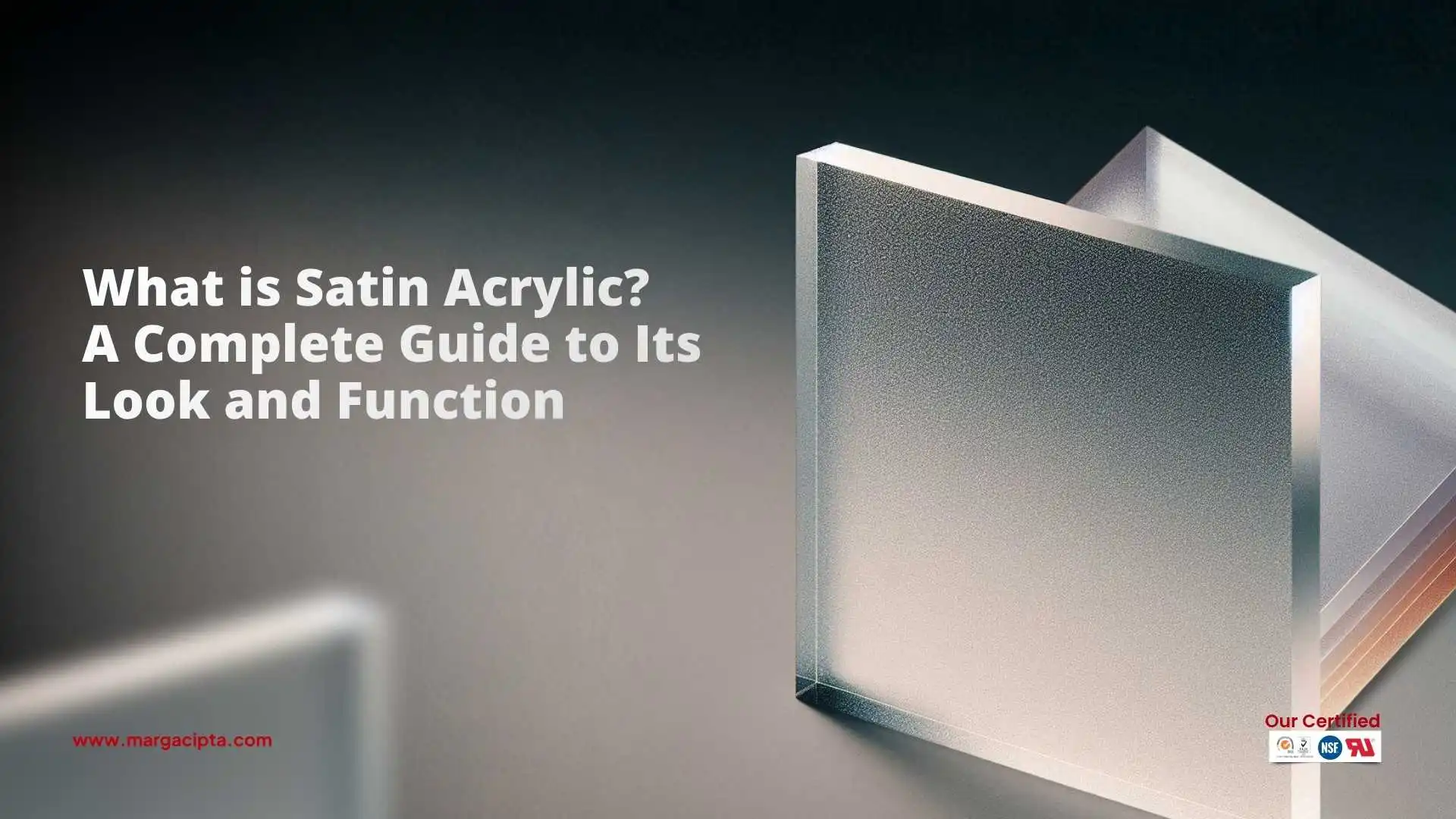
Read also: What is Satin Acrylic? A Complete Guide to Its Look and Function

Does Water Affect Acrylic Over Time?

Water itself generally does not damage acrylic.

However, performance can be affected if acrylic is exposed to:

  • Harsh cleaning chemicals
  • Improper installation
  • Extreme mechanical stress

Using proper maintenance techniques helps preserve the material's appearance and durability.

Why Material Quality Matters

The quality of the acrylic sheet plays a significant role in long-term performance.

Premium acrylic typically offers:

  • Better clarity
  • More consistent thickness
  • Improved weather resistance
  • Enhanced durability

Marga Cipta supplies high-quality acrylic sheets suitable for applications that require durability, transparency, and reliable water resistance.

Conclusion

Is acrylic waterproof? Yes, acrylic is highly water-resistant and does not absorb moisture.

Its waterproof characteristics, combined with excellent clarity and durability, make it a preferred material for both indoor and outdoor applications.

By choosing high-quality acrylic sheets, businesses and fabricators can maximize performance in wet and humid environments.

Ready to explore our cast acrylic options? At Margacipta Wirasentosa, we offer high-quality clear cast acrylic sheets from 100% virgin MMA in various thicknesses and custom sizes to fit your needs.

Reach out to our Instagram or download our Product Catalog for more information.